
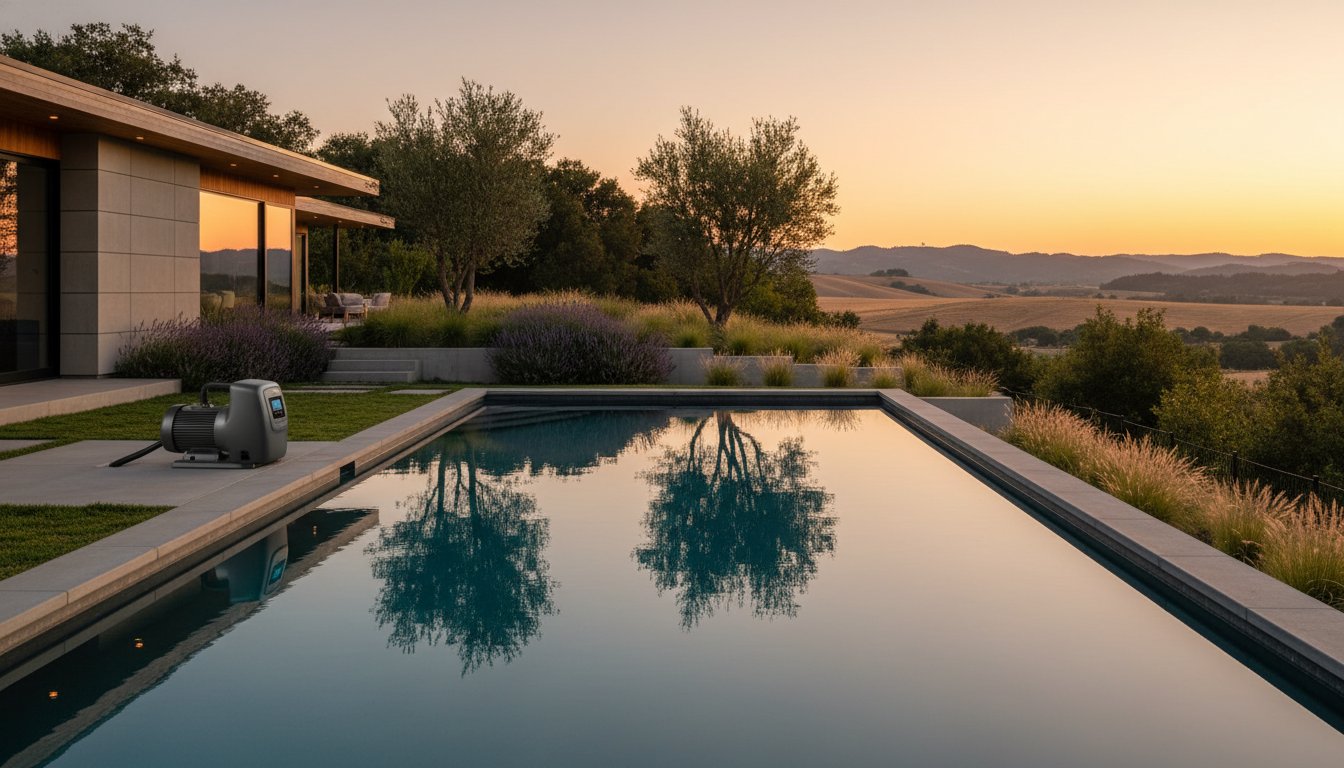
Did you know that slowing down your pool's filtration cycle can actually result in cleaner water while reducing your energy consumption by up to 80%? It sounds counterintuitive, but the physics of water flow tells a different story than the outdated myths of the past. For many homeowners in Northern California, the primary motivation for exploring variable speed pool pump benefits is the desire to escape the burden of exorbitant PG&E summer electric bills. You've likely felt the frustration of a loud, grinding motor disrupting your afternoon by the water, only to find that the surface still looks cloudy despite constant chemical treatments.
We understand that maintaining a pristine swimming environment should be a source of relaxation, not a mounting list of chores and expenses. This article provides a clear, methodical look at how upgrading to a variable speed pump serves as a precision instrument for your home. You'll discover how these systems achieve whisper-quiet operation and superior filtration while meeting strict California Title 20 regulations. We'll examine the tangible ways this modern technology preserves your equipment's lifespan and transforms your backyard into the peaceful sanctuary it was always meant to be.
Key Takeaways
- Understand the physics of the Pump Affinity Law and how it allows you to reduce energy consumption by up to 80% without sacrificing performance.
- Discover why variable speed pool pump benefits include superior water clarity by utilizing slower, more thorough filtration cycles that capture finer debris.
- Learn about the advanced engineering of permanent magnet motors and how they provide greater durability against Northern California’s heat and dust.
- Compare decibel levels to see how transitioning from a loud single-speed motor to a whisper-quiet system restores the tranquility of your backyard environment.
- Navigate the requirements of California Title 24 to ensure your next equipment upgrade is both legally compliant and perfectly sized for your pool’s unique plumbing.
Myth #1: Variable Speed Pumps Don’t Save Enough to Justify the Cost
One of the most persistent misconceptions we encounter is the idea that the initial investment in a high-efficiency pump doesn't yield a meaningful return. Many homeowners view the purchase as a luxury upgrade rather than a strategic financial decision. However, when we look at the actual physics of water movement, the financial variable speed pool pump benefits become undeniable. A traditional single-speed pump operates at a constant, high-velocity rate regardless of whether you're vacuuming the floor or simply circulating water for filtration. This "all or nothing" approach is fundamentally inefficient; it's the mechanical equivalent of driving a car with the accelerator pinned to the floor at all times.
The Science of the Affinity Law
The Affinity Law states that power consumption drops by the cube of the speed reduction, meaning a pump running at half-speed uses only one-eighth the energy. This cubic relationship is the engine behind the massive savings. By utilizing variable-frequency drive technology, these motors can precisely dial in the exact RPM needed for a specific task. If you reduce the motor speed by just 50%, you aren't just saving half on your power bill; you're reducing the power draw by 87.5%. This allows us to tune the pump to the "sweet spot" for your specific pool volume, ensuring maximum circulation with minimum waste.
Beyond the electric bill, there are "invisible" savings that often go overlooked. High-pressure water from single-speed pumps places immense stress on your entire system. Slower flow rates mean less internal pressure on filter grids, heat exchangers in your pool heater, and the delicate plates within salt chlorine generators. This meticulous approach to water management extends the operational life of your entire equipment pad, preventing premature repairs and protecting your long-term investment.
Real-World ROI for California Homeowners
For residents in Northern California, the financial argument is even stronger due to PG&E’s tiered energy pricing. Because pool pumps are often one of the largest consumers of electricity in a household, they frequently push users into higher, more expensive price brackets. By lowering the base load, a VSP can keep your entire home in a more affordable tier. Most of our clients see a full return on their investment within 12 to 24 months. Over the 8 to 12-year lifespan of a modern unit, the total variable speed pool pump benefits can amount to thousands of dollars in reclaimed utility costs, making it the most effective equipment upgrade available today.
Myth #2: Running a Pump Slower Means the Pool Won’t Stay Clean
A common concern among pool owners is that reducing the motor's RPM will lead to stagnant water or debris buildup. This stems from a misunderstanding of how filtration actually works. In reality, the most significant variable speed pool pump benefits relate to the quality of the water itself. It's not about how fast the water moves; it's about how much total water passes through the filter over a 24-hour period. While a single-speed pump might move a large volume of water quickly, it often does so at the expense of thoroughness. By running a pump at a lower speed for a longer duration, you achieve a more complete "turnover" of the pool's volume without the hydraulic turbulence that compromises water clarity.
Better Filtration Through Slower Velocity
When water is forced through a filter at high pressure, it often creates "channeling" within the media. This process literally pushes microscopic debris and "fines" through the filter and back into the pool. By slowing the velocity, the filter media (whether sand, DE, or cartridge) can effectively trap smaller particles that would otherwise bypass the system. This leads to noticeably clearer water that feels softer and looks more vibrant. According to the EPA, ENERGY STAR certified pool pumps are designed to facilitate this exact type of precision filtration. Slower water movement also prevents the compacting of debris against the filter grids, which extends the intervals between cleanings and preserves the integrity of your equipment.
Steady flow is also vital for chemical balance. If you use a salt chlorine generator, it requires a consistent flow to produce chlorine safely and effectively. A variable speed pump running for 12 hours at a low speed provides a much more stable environment for chlorine production than a single-speed pump running for 4 hours. This prevents "hot spots" of high chemical concentration and ensures every corner of the pool is treated. If you find your current system is struggling to maintain this balance, a professional pool equipment repair and replacement consultation can help determine the ideal flow rates for your specific sanitization needs.
Balancing Flow for Water Features and Cleaners
Some critics argue that low speeds fail to skim the surface. While it's true that skimming requires surface tension, modern automation solves this perfectly. You can schedule brief "skim cycles" at higher speeds to clear surface leaves, followed by long, quiet filtration periods. This same level of control allows you to dial in the exact flow needed for waterfalls, infinity edges, or deck jets. Unlike single-speed pumps that often "over-power" these features, a variable speed motor allows you to adjust the aesthetics and sound of your water features with meticulous precision. This ensures your backyard remains a tranquil sanctuary while maintaining the highest standards of cleanliness.
Myth #3: Digital Pumps Are Less Durable Than Old Analog Motors
It's a common sentiment among long-time pool owners that "they don't build them like they used to." While it's true that old-fashioned induction motors were mechanically simple, they were also incredibly inefficient and prone to thermal failure. Modern variable speed pool pump benefits extend far beyond energy savings; they represent a significant leap in mechanical durability. The transition from analog to digital isn't just about adding a screen; it's about replacing an outdated, high-friction design with a precision-engineered permanent magnet motor that is built to withstand the rigors of a modern backyard environment.
Permanent Magnet Motors vs. Induction Motors
Modern VSPs utilize the same high-efficiency technology found in modern hybrid vehicles. Unlike traditional motors that rely on carbon brushes and heavy copper windings that generate massive amounts of heat, permanent magnet motors operate with significantly less internal friction. This reduction in heat is the primary driver of equipment longevity. When a motor runs cooler, the internal components experience less thermal degradation over time. This architectural shift is one of the key 10 Things to Know About Variable Speed Pumps, as it directly impacts the unit's 8 to 12-year lifespan compared to the shorter life cycle of traditional induction models.
The Protection of TEFC Housing
In the North Bay, our equipment pads face unique challenges ranging from summer heat waves to the fine dust of the Napa Valley. Traditional single-speed motors are typically "open drip-proof," meaning they have vents that allow cooling air (and everything else) to pass directly through the motor's internals. Variable speed pumps utilize Totally Enclosed Fan Cooled (TEFC) technology. This design seals the motor's sensitive components from the environment, using an external fan to pull heat away from the housing without exposing the windings to moisture, salt air, or debris. The specialists at Paradise Pools, Inc. recommend placing the unit in a well-ventilated area that offers some shade, which further protects the digital interface from UV exposure and extreme temperatures.
While some fear that digital circuit boards are a point of failure, these drives actually act as a protective shield for the motor. A high-quality VSP can detect power surges or "brownouts" and shut itself down before the electrical instability causes permanent damage. This level of self-preservation simply doesn't exist in analog models. When installed by an expert hand, a digital pump is a stabilizing force for your entire pool system, offering a level of reliability that matches its high-end performance. These variable speed pool pump benefits ensure that your investment is protected from the unpredictable nature of the power grid, providing a sense of permanent, reliable support for your pool's infrastructure.

Myth #4: The Noise Reduction Is Just a "Nice to Have" Feature
In the pursuit of a perfect backyard environment, the acoustic landscape is often as important as the visual one. While many homeowners prioritize aesthetics and energy savings, the auditory variable speed pool pump benefits are frequently underestimated until the system is installed. A traditional single-speed pump typically operates between 70 and 80 decibels, a level comparable to a loud vacuum cleaner or heavy street traffic. This constant, high-pitched whine can penetrate walls and disrupt the quietude of a Napa Valley afternoon. By contrast, a variable speed pump running at low filtration speeds operates at a whisper-quiet 45 to 50 decibels, effectively removing mechanical noise from the outdoor experience.
Quantifying the Silence
To put these numbers into perspective, the difference between 80 decibels and 45 decibels is staggering. At lower speeds, a variable speed pump is so quiet that homeowners often have to check the control panel to see if it is even running. This level of silence is akin to a quiet library or a high-end dishwasher. Because sound is measured on a logarithmic scale, a 10-decibel increase represents a perceived doubling of loudness. By switching to a VSP, you aren't just making a minor adjustment; you're fundamentally altering the atmosphere of your property. This allows for consistent water circulation throughout the night without the risk of disturbing your neighbors or your own sleep.
Beyond the volume itself, VSPs eliminate the jarring vibration and resonance often associated with older equipment. Traditional motors create a low-frequency hum that can travel through concrete equipment pads and into the home's foundation, especially if the pool equipment is located near a bedroom or living area. The precision-balanced permanent magnet motors in modern pumps operate with a smooth, steady rhythm that preserves the structural tranquility of your home.
Placement and Backyard Harmony
The "Napa Oasis" philosophy suggests that every element of a luxury backyard should contribute to a sense of peace. When mechanical noise is neutralized, architects and designers gain significantly more freedom in equipment pad placement. You no longer need to hide your pump behind elaborate sound barriers or position it at the far edge of the property. This flexibility can lead to more efficient plumbing runs and a cleaner overall site plan. Investing in a quiet system is a commitment to a specific quality of life, ensuring that the sound of splashing water or wind through the trees remains the primary soundtrack of your outdoor sanctuary. If you're ready to restore the silence to your backyard, our team offers expert pool equipment repair and replacement services tailored to the unique requirements of Northern California estates.
How to Choose and Install a Variable Speed Pump in Northern California
Selecting the right equipment for your pool is a task that requires a balance of hydraulic science and local regulatory knowledge. In Northern California, choosing a new pump isn't just about performance; it's a matter of legal compliance. California Energy Commission Title 20 regulations, which became effective July 19, 2021, mandate that any replacement motor for a residential pool pump of 0.5 total horsepower (THP) or greater must be a variable-speed model. This transition ensures that every equipment upgrade contributes to the state's energy conservation goals while delivering the variable speed pool pump benefits of lower utility costs and quieter operation. It's essential to size the unit specifically to your pool's plumbing; a pump that's too powerful for your pipe diameter can cause cavitation and unnecessary wear on your filtration system.
Modern pumps are designed to act as the central hub of your equipment pad. They integrate seamlessly with existing pool automation systems from industry leaders like Pentair, Jandy, and Hayward. This connectivity allows you to manage your pool's environment with meticulous precision, adjusting speeds for different tasks directly from your smartphone or wall-mounted controller. A professional installation ensures that these digital drives are calibrated to your pool's unique volume, guaranteeing that every gallon of water is moved with the least amount of energy possible.
Navigating Local Rebates and Regulations
There are several financial incentives available to help offset the initial investment. Pacific Gas and Electric (PG&E) currently offers a $100 rebate for residential customers who upgrade an old, inefficient pump to a qualifying variable-speed model. As of June 2026, a Pentair WhisperFlo VS Variable Speed Pool Pump is priced at $1,841 on the PG&E marketplace, providing a concrete example of the high-quality options available to homeowners. Beyond state-level mandates, certain jurisdictions in Napa and Sonoma counties have specific permit requirements for equipment replacements. Conducting a thorough pool inspection with the team at Paradise Pools, Inc. can help identify these regulatory needs and ensure your project stays on track.
The Installation Checklist
A successful installation begins with an assessment of your current electrical capacity. Digital drives require stable power, so we must verify that your sub-panel can handle the new load without risk of surges. Once the hardware is in place, the most critical step is programming the specific "Prime," "Filter," and "High" speeds. These settings must be tailored to your specific water features and sanitization equipment to maintain optimal hydraulics. If you're ready to modernize your backyard, you can schedule a professional equipment evaluation with Paradise Pools, Inc. to determine the most efficient configuration for your home.
Transitioning to a More Intelligent Pool Environment
Transitioning to a more intelligent pool environment is a strategic step toward long-term preservation and refined backyard living. We've explored how the move toward modern filtration technology dismantles the myths of high operational costs and complex maintenance. By embracing these advancements, you ensure your pool remains a source of relaxation rather than a technical burden. The realization of variable speed pool pump benefits is found in the quiet harmony of a whisper-soft motor, the clarity of meticulously filtered water, and the substantial relief found in your monthly utility statements.
As certified equipment repair and installation experts with over 45 years of Napa Valley expertise, the team at Paradise Pools, Inc. is dedicated to helping you navigate these modern standards. We specialize in high-efficiency automation systems that simplify your maintenance routine while ensuring full compliance with California's evolving energy codes. We invite you to Contact Paradise Pools, Inc. for an Energy-Efficiency Audit to discover the specific savings potential of your current system. Protecting your investment and enhancing your quality of life is a partnership we take pride in maintaining. Your journey toward a more sustainable and peaceful sanctuary begins with a single, expert assessment.
Frequently Asked Questions
How much can I actually save on my monthly electric bill with a variable speed pump?
Upgrading to a variable speed pump can reduce your pool's energy consumption by up to 80% compared to traditional single-speed models. The U.S. Department of Energy estimates that the average owner of an in-ground pool can save approximately $2,140 over the lifetime of the pump. Because these units allow you to run filtration cycles at much lower speeds, they avoid the high-cost peak energy draw that often pushes Northern California homeowners into more expensive utility tiers.
Is it true that California law requires variable speed pumps for all pools?
California regulations are currently the strictest in the nation regarding pool equipment. Since July 19, 2021, any replacement motor for a residential pool pump that is 0.5 total horsepower or greater must be a variable-speed model. These requirements, established under California Energy Commission Title 20, effectively phase out older, inefficient induction motors in favor of permanent magnet technology to meet state energy conservation goals.
Will a variable speed pump work with my existing pool filter and heater?
Variable speed pumps are designed to be universally compatible with standard pool filters, heaters, and sanitization systems. In fact, slowing the water velocity through your existing filter media actually improves the capture of small particles and reduces internal pressure on your heater's heat exchanger. Our technicians ensure that the new pump is perfectly integrated with your current plumbing to maximize the variable speed pool pump benefits for your entire system.
What is the average lifespan of a variable speed pool pump compared to a single-speed?
A variable speed pump typically has an operational lifespan of 8 to 12 years, while traditional single-speed pumps often require replacement every 3 to 8 years. This increased durability is due to the motor's design; permanent magnet motors run significantly cooler and experience less mechanical stress than older induction motors. The totally enclosed fan-cooled housing also protects internal components from the dust and moisture that often cause analog motors to fail prematurely.
Do variable speed pumps require more maintenance because of the digital controls?
Digital pumps do not require more frequent maintenance; they actually offer advanced self-protection features that older analog models lack. While the interface is digital, the mechanical components have fewer high-wear parts, such as brushes, that typically fail in older designs. These systems can detect electrical surges or flow obstructions and shut down automatically, which prevents the catastrophic motor damage common in traditional equipment.
Can I install a variable speed pump myself or do I need a professional?
Professional installation is highly recommended to ensure the unit meets California Title 24 energy codes and qualifies for local utility rebates, such as the $100 incentive from PG&E. Many manufacturers also require proof of professional installation to honor the full equipment warranty. A specialist will properly calibrate the digital drive to your pool's specific hydraulics, ensuring you realize the maximum variable speed pool pump benefits without risking electrical errors.
How do I know what RPM settings to use for my specific pool?
The ideal RPM settings are determined by your pool's total volume and the specific flow requirements of your accessories, such as waterfalls or automatic cleaners. We typically program a low speed for daily filtration, a medium speed for surface skimming, and a higher speed for spa mode or heavy cleaning. Professional calibration ensures you achieve at least one full water turnover daily while using the minimum wattage possible.
Are variable speed pumps compatible with saltwater pool systems?
Variable speed pumps are exceptionally well-suited for saltwater pools because they provide the consistent, steady flow required for effective chlorine generation. Salt chlorine generators need water to move across the electrolytic cell for extended periods to maintain sanitization levels. By running at a lower RPM for more hours, a VSP ensures stable chlorine production without the high energy costs associated with running a single-speed pump for the same duration.


