
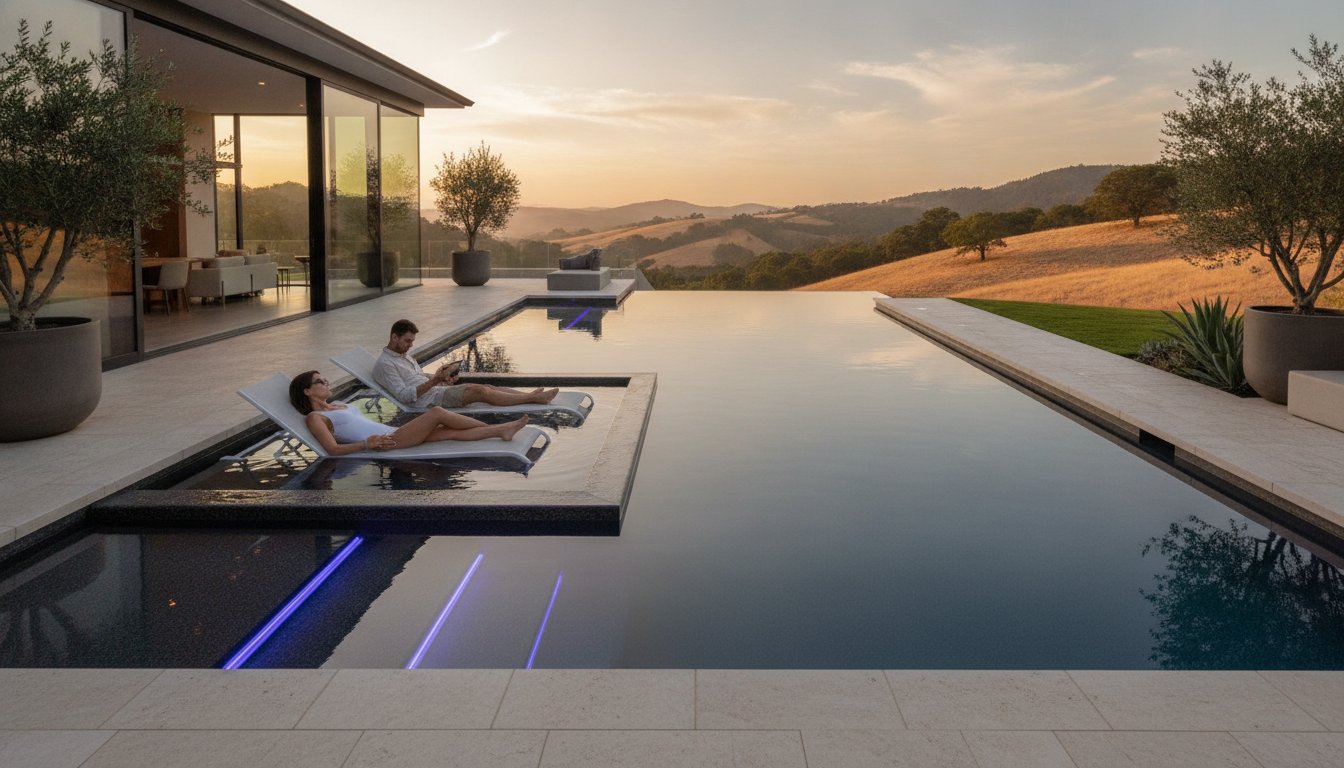
In 2026, a backyard retreat is no longer defined solely by its surface finish; it's a sophisticated piece of environmental engineering that must align with the most rigorous energy codes in California history. If you've noticed cracked masonry or felt the sting of rising utility bills from outdated equipment, you're likely realizing that your aging installation no longer matches the refined architecture of your home. Embarking on a swimming pool remodeling project today requires more than a simple aesthetic facelift. It demands a deep understanding of structural integrity and the latest regulatory shifts to ensure your investment stands the test of time.
We recognize that the path from a leaking shell to a pristine oasis feels complex, especially with new mandates like the 2026 Title 24 energy standards and SB442 safety requirements. This guide provides the expert clarity you need to transform your space into an energy-efficient sanctuary that can increase your property value by up to 7%. You'll learn how to integrate mandatory heat pump technology, navigate Napa and Sonoma's unique permitting hurdles, and select timeless aesthetics that provide structural peace of mind for the next twenty years.
Key Takeaways
- Identify the critical structural warning signs, from hairline cracks to significant water loss, that determine whether your pool requires a surface update or a deeper engineering intervention.
- Explore the hierarchy of modern resurfacing materials and structural modifications, such as tanning ledges, that align your aging installation with contemporary estate architecture.
- Discover how integrating smart automation and variable speed pumps can drastically reduce utility costs while providing seamless control of your environment via smartphone.
- Learn to navigate the unique environmental demands of Northern California, including seismic engineering requirements and the specific expansive clay soil conditions of the North Bay.
- Master the sequence of a professional swimming pool remodeling project to ensure your backyard oasis provides both aesthetic harmony and structural peace of mind for decades.
Assessing the Need: When to Invest in Swimming Pool Remodeling
The decision to initiate a swimming pool remodeling project often begins with a subtle observation. Perhaps you've noticed a persistent drop in the water line or a network of fine lines spreading across the plaster. While these may seem like minor aesthetic grievances, they often signal deeper shifts in the vessel's integrity. In Northern California, where seismic activity and expansive clay soils are constant variables, a pool is more than a recreational asset; it's a complex piece of engineering. Understanding the evolution of swimming pool construction methods helps homeowners distinguish between superficial wear and systemic failure.
The aesthetic landscape of Napa and Sonoma has shifted significantly since the 1990s. The heavy rock waterfalls and kidney-shaped designs of previous decades often clash with the clean, minimalist lines of modern estate architecture. Beyond visual harmony, lifestyle needs evolve. A pool designed for young children thirty years ago may no longer serve a family looking for sophisticated entertainment spaces or multi-generational accessibility. Procrastination is often the most expensive choice a homeowner can make. A small leak in a light niche or a hairline crack in the shell can saturate the surrounding soil. This leads to settling that can eventually compromise the foundation of the pool deck or even the main residence.
Structural vs. Cosmetic Warning Signs
Distinguishing between plaster flaking and deep gunite cracks is essential for prioritizing your budget. Superficial flaking, often called spalling, typically results from age or long-term chemical imbalances. Conversely, cracks that run through the tile line into the shell indicate structural movement. If you notice the coping stones are separating from the pool deck, it's a clear sign that the bond beam is under stress. Often, a total equipment failure acts as the final catalyst for a full-scale swimming pool remodeling effort. It's simply more efficient to modernize the plumbing and electrical systems while the shell is exposed for resurfacing.
The ROI of a High-End Pool Renovation
In the competitive Napa Valley real estate market, a modernized pool is a significant differentiator. Professional appraisals often reflect a higher valuation for features that harmonize with the natural landscape, such as vineyard-facing views and muted, natural stone finishes. According to 2026 data from the National Association of Realtors, a well-executed renovation can increase a home's value by an estimated 5% to 7%. The return on investment is also found in monthly utility savings. Upgrading to variable speed pumps and energy-efficient heat pumps reduces operational overhead, making the pool a sustainable part of the estate rather than a financial drain.
Structural and Surface Restoration: The Engineering Perspective
Remodeling a pool is an exercise in structural preservation. While many homeowners focus on the final color of the water, the success of any swimming pool remodeling project depends on the invisible layers beneath the surface. The health of the underlying gunite shell dictates every available option. If the shell is compromised by significant rebar corrosion or "honeycombing," a simple resurfacing won't suffice. We prioritize the application of high-performance bond coats and waterproof membranes. These elements ensure that the new finish adheres permanently to the old substrate, preventing the delamination common in lower-tier renovations. Choosing the right material involves a clear hierarchy of durability and aesthetics:
- Standard Plaster: A smooth, classic baseline, though it remains more susceptible to chemical etching and staining over time.
- Quartz Aggregates: A blend of ceramic-coated sand and plaster that offers increased stain resistance and a subtle shimmer.
- Pebble Finishes: The gold standard for longevity, utilizing small, smooth river stones to create a naturalistic, highly durable texture.
Premium Finishes: Pebble Tec vs. Modern Plaster
In the luxury estates of Napa and Sonoma, pebble finishes have become the definitive standard for durability. Unlike traditional white plaster, which typically requires a refresh every seven to ten years, pebble aggregates offer a lifespan that often doubles that of standard materials. The color science involved is specifically relevant to our region; darker pebble blends absorb more thermal energy from the Northern California sun, naturally keeping water temperatures higher during the shoulder seasons. Maintenance for these premium aggregates is also more forgiving, as the textured surface naturally hides minor mineral deposits that would be glaringly obvious on a smooth white finish.
Structural Upgrades and Water Features
Modernizing a pool often involves altering its physical footprint to better suit current lifestyles. Integrating a "Baja shelf" or sun ledge into an existing concrete shell is a popular request during swimming pool remodeling, but it requires precise engineering to dowel new rebar into the original structure. If you're considering more ambitious features like vanishing edges or perimeter overflows, the hydraulic requirements change entirely. These systems demand advanced plumbing configurations and high-capacity pumps to maintain a consistent water effect. During these upgrades, we ensure all systems comply with federal safety standards, including the Virginia Graeme Baker Pool & Spa Safety Act, which regulates suction outlet covers to prevent entrapment.
Achieving this level of technical precision requires a partner who understands the intersection of aesthetics and fluid dynamics. If you're ready to evaluate the structural potential of your backyard, our team specializes in comprehensive pool remodeling and renovation services tailored to the unique demands of the North Bay landscape.
Modernizing with Smart Technology and Efficiency
The operational "brain" of a pool has undergone a radical transformation. While the previous section focused on the physical restoration of the shell, swimming pool remodeling in 2026 is equally defined by digital precision and energy stewardship. California’s strict Title 24 Energy Code, effective as of January 1, 2026, now mandates that any remodeled pool with a heater must utilize an automatic cover and a variable-speed pump. These aren't merely regulatory hurdles; they are instruments of efficiency. A variable-speed pump can reduce energy consumption by up to 85% compared to older single-speed models, often paying for itself through drastically reduced utility overhead within a few seasons.
Modernization also extends to water chemistry and atmospheric design. Saltwater conversions remain a top priority for estate owners, replacing traditional manual chlorine dosing with automated electrolytic generation. This results in softer water that's gentler on the eyes and skin. When paired with modern LED "color-scape" lighting, these systems elevate the evening ambiance of a North Bay property. According to the Pool & Hot Tub Alliance, these technological integrations represent the fastest-growing segment of the renovation market, as homeowners prioritize ease of use alongside environmental sustainability.
The Rise of the Intelligent Pool Environment
Luxury estates in Napa and Sonoma often feature sophisticated whole-home automation. We now integrate pool controls directly into platforms like Control4 or Savant, allowing you to activate the spa or adjust the lighting from your smartphone before you even arrive home. Beyond simple convenience, smart systems offer remote diagnostics. This allows your service provider to monitor equipment health and water chemistry 24/7, ensuring perfect water balance with zero manual effort and catching minor mechanical issues before they escalate into expensive repairs.
Energy-Efficient Heating Solutions
Heating is historically the most significant operational expense for Northern California pool owners. Under the 2026 Title 24 standards, gas heaters can no longer serve as the primary heat source for remodeled pools; they are permitted only as backup systems. Instead, the primary heater must be a solar thermal system or an electric heat pump. While heat pumps require a higher initial investment, they typically lower monthly heating costs by 50% to 70% and pay for themselves in three to five years. When combined with an automatic pool cover, heat retention is maximized, ensuring your backyard oasis remains usable and cost-effective throughout the year.

Navigating the Remodel Process in Northern California
Executing a successful swimming pool remodeling project in the North Bay requires more than architectural vision; it demands a deep respect for regional geography and a methodical approach to bureaucracy. Whether your property sits on the valley floor or a steep hillside, the process begins long before the first jackhammer arrives. In Napa and Sonoma counties, the permitting phase is a critical milestone where engineering plans must align with strict environmental and safety codes. Building departments here prioritize structural resilience, especially regarding seismic reinforcement and soil stability. Skipping the foundational step of a professional pool inspection napa can lead to unforeseen delays if underlying structural issues are discovered mid-construction.
The timeline for a comprehensive renovation typically spans eight to twelve weeks, moving from demolition and plumbing through to the final interior finish and fill. However, this schedule is often dictated by the complexity of your specific site. Managing expectations during this period is essential. Our role as a trusted guide is to simplify these intricate tasks, ensuring that every detail, from hydraulic pressure testing to electrical bonding, meets the highest standard of craftsmanship. This structured oversight builds the trust necessary to move from a visionary concept to a permanent, reliable backyard sanctuary.
Hillside Stability and Soil Engineering
Many of the most stunning estates in our region are built on challenging terrain. Specialized hillside pool construction california often requires the integration of structural retaining walls and deep-drilled piers to anchor the vessel to stable ground. The expansive clay soils common in the North Bay exert significant pressure on pool shells, particularly during heavy winter rains. If your remodel involves altering the pool's footprint on a slope, a geotechnical report from a soil engineer is often a mandatory first step. This ensures the new structure can withstand hydrostatic pressure and potential soil movement without compromising the integrity of your home's foundation.
Local Compliance and Safety Regulations
Modernizing an older pool brings it under the jurisdiction of current California law. As of 2026, the California Pool Safety Act (SB442) requires that any remodeled pool feature a barrier at least 60 inches high, alongside two additional drowning prevention features. Furthermore, compliance with Title 24 energy standards is now a prerequisite for permit approval. This includes the mandatory installation of variable-speed pumps and automatic pool covers, which serve the dual purpose of heat retention and water conservation. Drought-conscious remodeling isn't just a trend; it's a regulatory reality in Northern California that ultimately protects your investment and our local resources.
If you're ready to navigate these requirements with the support of an authoritative expert, we invite you to contact our team to begin your structural assessment.
The Paradise Pools, Inc. Vision: Tailored Remodeling Excellence
Paradise Pools, Inc. has spent over 45 years cultivating deep institutional knowledge of the North Bay area. This extensive history allows us to approach every swimming pool remodeling project with a level of precision that only decades of local work can provide. We don't view a renovation as a mere transaction; it's a personalized partnership rooted in reliability. By managing design, engineering, and construction in-house, Paradise Pools, Inc. offers a white-glove experience that simplifies the complex structural and permitting tasks discussed in earlier sections. Our commitment to longevity means we build and restore pools specifically to withstand the unique seismic and environmental demands of the California climate, ensuring your backyard remains a steady, reliable sanctuary.
Our service-oriented atmosphere emphasizes stability and the realization of a specific quality of life. Paradise Pools, Inc. takes immense pride in our workmanship, acting as a stabilizing force throughout the renovation process. This structured oversight builds trust by demonstrating comprehensive oversight from the initial demolition to the final architectural details. Every detail is considered, ensuring that the visionary ideas you have for your estate are executed with technical excellence and a steady, expert hand. We move logically from initial concepts to long-term preservation, ensuring the reader feels both inspired by the possibilities and secure in our ability to manage the practicalities.
Our Collaborative Design Process
The journey toward a luxury pool design napa valley begins with a thorough understanding of your property's existing architecture and landscape. We utilize advanced 3D modeling to help you visualize every detail of your remodel before a single tile is removed from the shell. This technology ensures that the transition from the conceptual stage to a tangible, well-maintained outcome is handled with calm efficiency. We guide you through selecting materials that reflect the natural beauty of Wine Country, focusing on premium finishes and natural stone that harmonize with the surrounding vineyard landscape. This methodical approach ensures that the aesthetic evolution of your pool matches the sophisticated standards of modern home design.
Long-Term Care and Partnership
Successful swimming pool remodeling doesn't end when the water is clear and the systems are activated. It marks the beginning of a long-term commitment to preservation and maintenance. Paradise Pools, Inc. facilitates a seamless transition from the construction phase to consistent professional pool cleaning napa valley, ensuring your investment remains in peak condition for another 20 years. Our clients often stay with us for decades because they value the stability of a local expert who offers permanent, reliable support. Our warranty and support structure for major structural renovations provide the peace of mind necessary for a high-end estate, positioning us as a trusted guide for the life of your pool.
Securing Your Backyard Legacy
Bringing an aging pool into the modern era is a complex undertaking that requires a sophisticated blend of structural engineering and architectural vision. We've explored how identifying early warning signs, integrating smart automation, and navigating the specific soil requirements of Northern California can turn a failing asset into a high-performing sanctuary. A successful swimming pool remodeling project doesn't just improve aesthetics; it provides decades of peace of mind by adhering to the latest safety and energy standards while simultaneously increasing property value.
Since 1978, our family-owned team has specialized in the unique hillside terrains and expansive soils that define Napa and Sonoma. We provide a comprehensive design-to-maintenance experience that ensures every detail is executed with technical precision and a steady, expert hand. It's time to transition from the conceptual stage to a tangible, well-maintained outcome that reflects your quality of life. Schedule Your Expert Pool Remodeling Consultation today. We look forward to helping you preserve your backyard oasis for the next generation.
Frequently Asked Questions
How long does a typical swimming pool remodeling project take?
A comprehensive renovation generally spans eight to twelve weeks from demolition to the final fill. This timeline varies based on the complexity of structural changes and the speed of local permit approvals in Napa or Sonoma counties. Simple resurfacing might take less time, but integrating new plumbing or automation systems requires a methodical approach to ensure every component meets our high standards of craftsmanship.
Is it cheaper to remodel an old pool or build a brand new one?
Remodeling an existing installation is significantly more cost-effective than starting a new construction project from scratch. By leveraging the existing excavation and concrete shell, you avoid the high costs of major earthmoving and foundational work. A remodel allows you to allocate your budget toward premium finishes and energy-efficient technology rather than basic structural requirements.
Can I change the shape or depth of my pool during a remodel?
You can certainly alter the physical dimensions and depth of your pool during a renovation. We can shorten a deep end to create a more functional play area or add a tanning ledge by doweling new rebar into the existing shell. While changing the perimeter shape is more complex, it is a viable way to modernize an outdated 1990s design to match contemporary estate architecture.
What is the best pool finish for durability in Northern California?
Pebble finishes are the definitive standard for durability and longevity in the North Bay climate. These surfaces resist chemical etching and staining much better than traditional white plaster, often lasting 15 to 20 years or more. Their natural texture and variety of color options also help harmonize the pool with the surrounding vineyard landscapes common in our region.
Do I need a permit for a pool remodel in Napa or Sonoma County?
Yes, most substantial swimming pool remodeling projects require a building permit from the respective county or city department. This is especially true for projects involving structural modifications, electrical upgrades, or new heating systems. Local authorities use the permitting process to ensure all work complies with the 2026 Title 24 energy standards and current safety barrier laws.
How can I make my older pool more energy efficient?
Upgrading to a variable-speed pump is the most impactful step you can take to lower your utility bills. You should also consider installing an electric heat pump and an automatic pool cover to maximize heat retention. These components are now standard for modern renovations because they can reduce a pump's energy use by up to 85% compared to older models.
Can a spa be added to an existing pool during the renovation process?
Adding a spa is a frequent request that significantly enhances the luxury and utility of your backyard. This process involves integrating new plumbing lines and a dedicated heater into your existing system. It's an ideal time to perform this upgrade because the pool shell is already exposed, allowing for a seamless structural and aesthetic integration with the main vessel.
What happens if structural cracks are found during the resurfacing process?
Structural cracks must be stabilized using specialized engineering techniques before any new finish is applied. We often utilize torque staples or high-pressure epoxy injections to secure the gunite shell and prevent future movement. Addressing these issues during swimming pool remodeling is essential for ensuring the long-term integrity of your investment and providing structural peace of mind for decades.


