
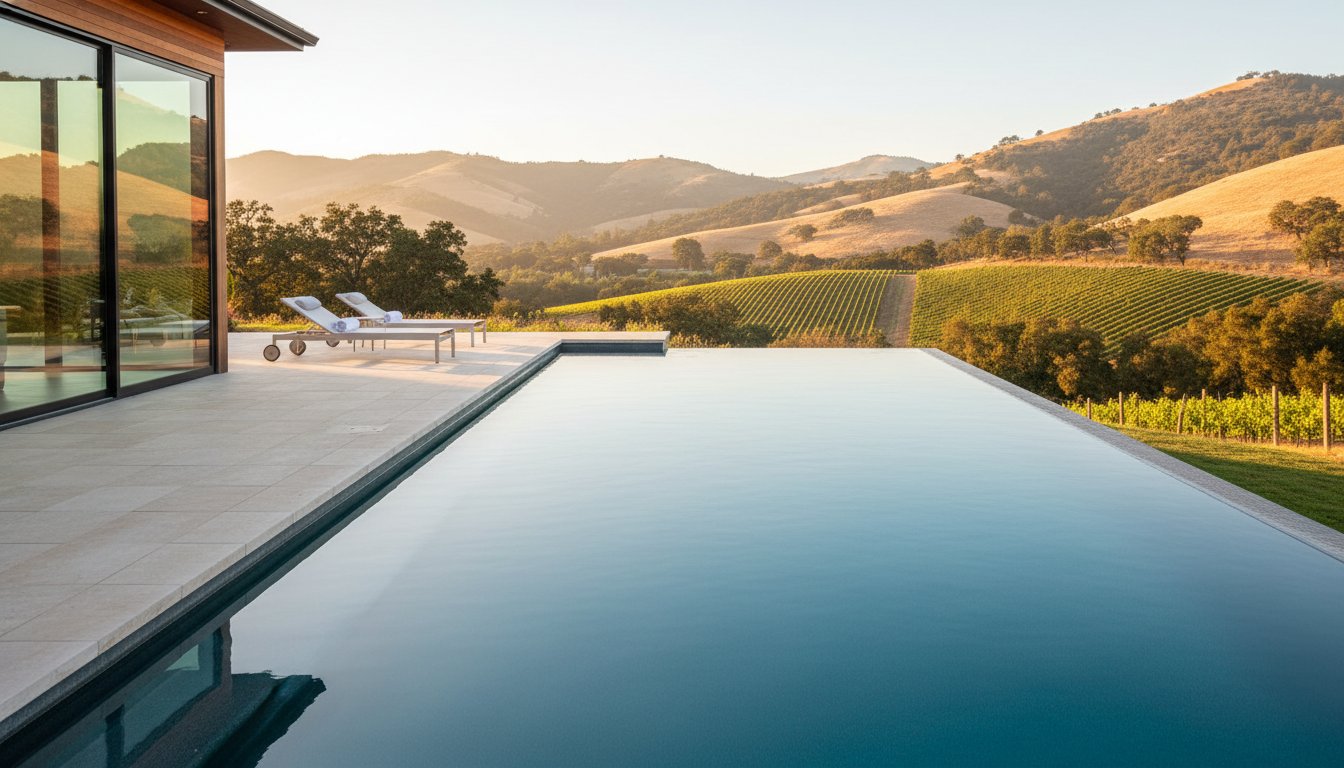
If saltwater pools are truly the low-maintenance alternative to traditional chlorine, why are you still scrubbing stubborn white flakes from your tile and watching your pH levels climb every single week? It's a common irony for homeowners across Napa and Sonoma who expected a hands-off experience but now find themselves searching for expert saltwater pool maintenance near me. While the water feels softer on your skin, the internal mechanics of a salt system require a specialized level of care that differs significantly from standard chemical routines.
We understand that you want a pristine oasis that enhances your lifestyle rather than one that adds to your weekend chores. This guide shares the professional secrets to maintaining crystal clear water and extending the life of your salt cell, which typically requires replacement every three to five years. You'll discover how to stabilize your water chemistry against the local climate and prevent the calcium buildup that threatens your equipment. From balancing minerals to understanding the latest automation requirements, we provide the methodical roadmap you need for a pool that remains a source of pride and relaxation.
Key Takeaways
- Understand the reality of saltwater systems, including why they require more frequent pH monitoring than traditional chlorine pools to maintain water balance.
- Identify the specific chemical ranges for salt, alkalinity, and calcium hardness tailored to the unique water profiles found in Napa and Sonoma.
- Learn how to establish a methodical routine that prioritizes salt cell longevity and prevents the white flaky deposits often associated with hard water regions.
- Discover why professional saltwater pool maintenance near me is the most reliable way to manage the complex Langelier Saturation Index (LSI) and protect your equipment investment.
- Gain insight into the specialized maintenance tasks, from cell inspections to automation calibration, that ensure your pool remains a pristine, high-end retreat.
What is Saltwater Pool Maintenance? Myth vs. Reality
Saltwater pool maintenance is often misunderstood as a "set it and forget it" solution for modern homeowners. In reality, it's a precise process of managing an electrolytic chlorine generator while meticulously balancing specific water parameters. While many people are drawn to the promise of a maintenance-free oasis, the truth is that these systems require a different, often more rigorous, level of attention than traditional chlorine pools. The primary objective is ensuring the salt cell operates at peak efficiency to sanitize your water naturally. For custom installations in the North Bay, consistent professional oversight is the most reliable way to preserve the integrity of your equipment and the quality of your swimming experience.
How Saltwater Systems Generate Chlorine
The process begins with dissolved salt in the pool water. As this water passes through the salt cell, a low-voltage current initiates a reaction called electrolysis. This sequence is essentially how saltwater chlorination works, converting salt into hypochlorous acid to sanitize the pool. The salt cell acts as the heart of your sanitation system, producing a consistent stream of pure chlorine. This method is noticeably gentler on skin, eyes, and luxury swimwear; it provides a premium swimming texture that traditional liquid chlorine or tablets cannot replicate.
The Key Differences in Maintenance Tasks
Transitioning to a salt system shifts your focus from manual chemical dosing to technical monitoring. You won't be hauling heavy buckets of chlorine, but you must instead monitor salt concentrations and perform regular cell inspections. One unique challenge is the inherent rise in pH levels caused by the electrolysis process. As the cell generates chlorine, it also produces sodium hydroxide, which naturally pulls the pH upward. Without regular intervention, high pH can lead to scale formation and reduced sanitizer effectiveness. Maintaining proper levels of total alkalinity and cyanuric acid remains critical, as these elements protect your chlorine from sunlight and stabilize the overall chemistry.
A reliable maintenance routine ensures your investment remains a source of relaxation rather than a technical burden. When searching for saltwater pool maintenance near me, it's important to find experts who understand the nuances of the Napa and Sonoma climate. Professional care simplifies these intricate tasks, offering the steady, expert hand needed to keep your system running flawlessly through every season. This methodical approach builds trust by demonstrating a comprehensive oversight of the entire sanitation process.
Essential Chemistry: Balancing a Saltwater Pool in Northern California
Achieving the perfect balance in a saltwater environment requires a shift in perspective. In the North Bay, our local water profiles introduce variables that standard national guides often overlook. Following established pool water chemistry guidelines is a vital starting point, but the Langelier Saturation Index (LSI) is the true metric for success. This calculation accounts for water temperature, calcium hardness, and alkalinity to determine if your water is balanced, corrosive, or prone to scaling. When searching for saltwater pool maintenance near me, homeowners often find that local expertise is the difference between a pristine pool and a constant chemical battle.
One common error is relying solely on your system's control panel for salt readings. These sensors measure conductivity, which can be influenced by water temperature or cell age. For precise results, manual testing with a reliable kit is non-negotiable. Similarly, cyanuric acid (CYA) acts as a sunscreen for your chlorine. Without it, the chlorine your cell works so hard to produce will dissipate in the intense Napa sun within hours. Keeping CYA between 60 and 80 ppm ensures your system operates at peak efficiency and doesn't overwork the cell.
Managing pH and Alkalinity Fluctuations
The electrolysis process that creates chlorine naturally generates sodium hydroxide as a byproduct. This chemical reaction drives pH levels upward every day. To counter this drift, regular additions of muriatic acid are necessary to keep the water in the ideal 7.2 to 7.6 range. We recommend setting your total alkalinity at a slightly lower target, perhaps 80 ppm, to provide a buffer that prevents rapid, aggressive pH swings. This methodical approach simplifies the process and keeps the water feeling soft on the skin.
Calcium Hardness and the Scaling Challenge
Homeowners in Sonoma and Napa often deal with high calcium levels, especially those using well water. When calcium hardness exceeds 400 ppm, the risk of scale formation inside the salt cell increases dramatically. You might notice the 'snowstorm' effect, where white calcium flakes break off the cell plates and return to the pool through the jets. Using professional-grade scale inhibitors protects your heater and electrolytic cell from these damaging deposits. If managing these intricate levels feels like a full-time job, professional weekly pool maintenance provides the consistent oversight needed for long-term equipment health. Finding reliable saltwater pool maintenance near me ensures these specific regional challenges are handled with precision.
Saltwater vs. Traditional Chlorine Maintenance Comparison
Choosing between a saltwater system and a traditional chlorine setup involves more than just selecting a sanitation method; it's a decision about the daily rhythm of your home life. Traditional pools require a rigorous schedule of testing and manual chemical additions to maintain safety. Conversely, saltwater systems automate the heavy lifting of chlorine production. This automation doesn't eliminate the need for oversight, but it does change the nature of the labor. The primary appeal for many in the North Bay is the superior water quality. When researching the health benefits and risks of saltwater pools, the consensus often highlights the reduced irritation to skin and eyes, creating a truly spa-like environment that traditional systems struggle to match.
Chemical storage requirements also differ significantly between the two systems. Traditional pools necessitate the storage of hazardous liquid chlorine or volatile tablets, which require careful handling and specific environmental conditions. Saltwater pools utilize bags of inert pool salt. This material is much safer to handle and store on your property, removing the need for caustic chemicals in your equipment shed. This transition from harsh additives to mineral-based sanitation is a hallmark of a high-end, modern pool experience.
Cost and Labor Efficiency
While salt systems offer long-term savings on chemical purchases, they require a higher initial investment for the generator and its installation. The salt cell itself is a consumable component. It typically requires replacement every three to seven years, depending on usage and the precision of your water chemistry. Because these systems are technically complex, professional maintenance plans often prove more cost-effective over time. Expert technicians can identify early signs of cell failure or mineral imbalances before they lead to expensive equipment repairs. If you are looking for reliable saltwater pool maintenance near me, choosing a partner who understands the specific technical requirements of these generators is essential for protecting your investment.
Equipment and Surface Impact
Salt is naturally corrosive, which introduces unique challenges for your pool's structure and accessories. "Salt creep" can occur when splashing water evaporates, leaving behind salt crystals that can damage unsealed stone coping or porous tile over time. We mitigate this risk by installing sacrificial anodes. These devices protect metal components, such as heaters and ladders, from galvanic corrosion by attracting the corrosive energy away from your expensive equipment. While salt is gentler on your skin, its impact on pool plaster and stone requires a steady, expert hand. Consistent weekly pool maintenance ensures that your surfaces and equipment remain as pristine as the day they were installed.

The Northern California Saltwater Maintenance Checklist
A pristine pool in the Napa Valley doesn't happen by accident. It requires a methodical approach that respects both the technology of your salt system and the unique environmental pressures of our region. While generic guides often suggest a relaxed schedule, the hard water common in Sonoma and Napa counties demands a more proactive stance. Finding reliable saltwater pool maintenance near me ensures that these regional nuances are never overlooked, protecting your equipment from premature failure and keeping your water inviting year round.
- Weekly: Test pH and chlorine levels. Empty skimmer baskets to reduce the organic load on your salt cell, as debris forces the system to work harder.
- Monthly: Conduct a manual test of salt levels, alkalinity, and stabilizer. Perform a visual inspection of the salt cell for signs of calcium scale, especially if you've noticed rising pH levels.
- Quarterly: Perform a deep cleaning of the electrolytic cell using a diluted muriatic acid solution to remove stubborn mineral deposits that manual rinsing can't reach.
- Seasonal: Decrease chlorine production percentages during cooler winter months and increase them significantly as the summer heat peaks to combat UV degradation.
Cleaning and Maintaining the Electrolytic Cell
The cell is a sophisticated component that requires delicate handling. When you notice white, crusty deposits on the internal plates, it's time for a technical cleaning. Always use a specialized cell cleaning solution or a mild acid to water ratio. The "soak versus scrape" debate has a clear winner: never use metal tools or screwdrivers to remove scale. These tools permanently damage the precious metal coating on the plates, rendering the cell useless. Maintaining a clean cell can extend the life of your equipment by up to 30%. If the process seems daunting, our team provides professional weekly pool maintenance to handle these technical details with precision.
Environmental Factors: Vineyard Dust and Wildfire Ash
Living in wine country introduces specific challenges for pool sanitation. Fine vineyard dust and seasonal wildfire ash act as significant organic loads that can quickly deplete your chlorine reserves. During these events, utilize the 'Super Chlorinate' or 'Boost' mode on your automation system to temporarily surge chlorine production. Additionally, agricultural runoff from nearby landscaping often introduces phosphates into the water. These minerals act as food for algae, making it harder for your salt system to keep up. Regular phosphate testing and removal are essential steps for maintaining that signature crystal clear water quality throughout the year. Finding expert saltwater pool maintenance near me is the best way to ensure your pool remains a sanctuary regardless of the local weather conditions.
Professional Saltwater Care: Protecting Your Paradise Investment
With 45 years of experience serving the Napa Valley, Paradise Pools has established itself as the definitive authority on luxury pool care. We understand that a saltwater pool is a significant investment in your property's value and your family's quality of life. Maintaining this balance requires more than just a passing knowledge of water chemistry; it demands a deep understanding of the local environment and its effects on advanced equipment. When discerning homeowners look for saltwater pool maintenance near me, they seek a partner capable of managing the complexities of a high-end system with precision and steady, expert care.
Our specialized approach covers the entire lifecycle of your pool, from the initial custom salt system installation to expert diagnostic repairs. We act as a stabilizing force for your backyard oasis, simplifying intricate technical tasks and offering a sense of permanent, reliable support. This commitment to consistency ensures that your water remains pristine and your equipment operates at peak efficiency through every season. By choosing professional oversight, you transition from managing a technical project to simply enjoying a tangible, well-maintained outcome.
Advanced Diagnostics and Equipment Repair
Troubleshooting a salt system requires a methodical approach to distinguish between environmental factors and actual hardware failure. For instance, many systems display "low salt" errors when water temperatures drop during cool North Bay nights, even if salt levels are perfect. Our technicians specialize in diagnosing these nuances, preventing unnecessary chemical additions and accurately identifying when a cell is truly failing. From replacing flow switches to calibrating sophisticated sensors, our diagnostic repairs ensure your pool automation systems function seamlessly. We prioritize a rhythmic, thorough rhythm that suggests every detail has been considered, providing you with effortless control over your aquatic retreat.
Preserving Custom Masonry and Decking
A luxury pool build often features exquisite stone elements that are susceptible to the corrosive nature of salt splash. Without proper protection, materials like travertine, flagstone, and limestone can suffer from "pitting" or surface erosion as salt crystals form within the stone's pores. We prioritize the application of high-quality, breathable sealants to prevent this degradation and protect your investment. This proactive measure, combined with regular deck rinsing to remove salt residue, preserves the aesthetic harmony of your custom masonry. Our comprehensive weekly maintenance plans are designed to handle these detailed preservation tasks, ensuring your saltwater paradise remains guest-ready at a moment's notice. If you've been searching for reliable saltwater pool maintenance near me, our team provides the meticulous attention to detail your home deserves.
Schedule a professional saltwater system evaluation with Paradise Pools today.
Secure the Longevity of Your North Bay Retreat
Maintaining a pristine saltwater pool in Northern California requires a delicate balance between advanced electrolytic technology and the unique environmental demands of the Napa Valley. You've discovered that consistent pH monitoring and managing the Langelier Saturation Index are essential to preventing calcium scaling on both your equipment and your custom masonry. By following a methodical checklist and understanding the technical needs of your salt cell, you can ensure your water remains soft, clear, and inviting for years to come.
When the technical complexities of chemistry and equipment diagnostics exceed your weekly schedule, seeking expert saltwater pool maintenance near me provides the stability your investment deserves. With over 45 years of Napa Valley expertise, Paradise Pools offers comprehensive North Bay service coverage and specialized care for high-end custom pool masonry. We act as your trusted guide, handling every detail from automation calibration to stone preservation with a commitment to craftsmanship.
Schedule Your Professional Saltwater Maintenance with Paradise Pools today to experience a seamless partnership rooted in reliability and local knowledge. Your backyard oasis is ready to be enjoyed without the burden of technical chores.
Frequently Asked Questions
Do I still need to add chlorine to my saltwater pool?
You don't need to add manual chlorine for daily sanitation because the system generates it, but you'll occasionally need to "shock" the pool after heavy rain or large gatherings. This manual intervention supports the salt cell during periods of extreme organic load. Keeping a small supply of liquid chlorine on hand is a professional best practice for these specific scenarios to maintain water clarity.
How often should I clean my saltwater chlorine generator cell?
You should inspect your salt cell every three months and clean it if you see visible calcium deposits. In regions with hard water like Napa, this quarterly schedule is vital for maintaining efficiency and extending the life of the plates. If you're looking for saltwater pool maintenance near me, a professional service can handle this delicate acid-washing process to ensure the equipment remains in peak condition.
Why is the pH always high in my saltwater pool?
High pH is a natural byproduct of the salt-to-chlorine conversion process, which releases sodium hydroxide into the water. Because this is a constant occurrence, you'll likely need to add muriatic acid more frequently than you would in a traditional chlorine pool. Consistent monitoring is the only way to prevent the high pH from causing scale buildup on your tile and luxury equipment.
Will saltwater damage my pool equipment or stone coping?
Saltwater can cause erosion on porous stones like flagstone or travertine if they aren't properly protected with a high-quality sealant. We recommend sealing your coping and using sacrificial anodes to protect metal components from galvanic corrosion. These protective measures are standard in our weekly maintenance routines to preserve your custom masonry and ensure the longevity of your backyard investment.
How much salt do I need to add to my pool, and how often?
You typically only need to add salt once or twice a year to compensate for water lost through splashing, draining, or backwashing. Salt doesn't evaporate, so it remains in the water until it's physically removed. We recommend maintaining a level between 2700 and 3400 ppm, though you should always verify the specific requirements of your generator's manufacturer to ensure peak performance.
Can I use a saltwater system with a pool heater?
Yes, saltwater systems are perfectly compatible with pool heaters, provided the water chemistry is strictly balanced. It's essential to install a check valve between the heater and the salt cell to prevent high concentrations of chlorine from backing up into the heater when the pump is off. This protects the internal copper or cupro-nickel heat exchanger from premature corrosion and technical failure.
What happens to my salt pool maintenance during the winter?
Salt cells often stop producing chlorine when water temperatures fall below 55 degrees Fahrenheit, which is common during Northern California winters. During these cooler months, you may need to supplement with manual chlorine to maintain proper sanitation. Our comprehensive saltwater pool maintenance near me includes adjusting your system's output for these seasonal shifts, ensuring the pool remains clear even when the generator is dormant.
Is a saltwater pool actually 'natural' and chemical-free?
A saltwater pool is not chemical-free; it is a chlorine pool that uses salt as the source for its sanitizer. While it's a more modern and gentle approach to water care, it still relies on the same sanitizing agent as traditional pools. The benefit lies in the consistent, lower-level delivery of chlorine, which creates a softer feel for your skin and eyes compared to traditional methods.


