
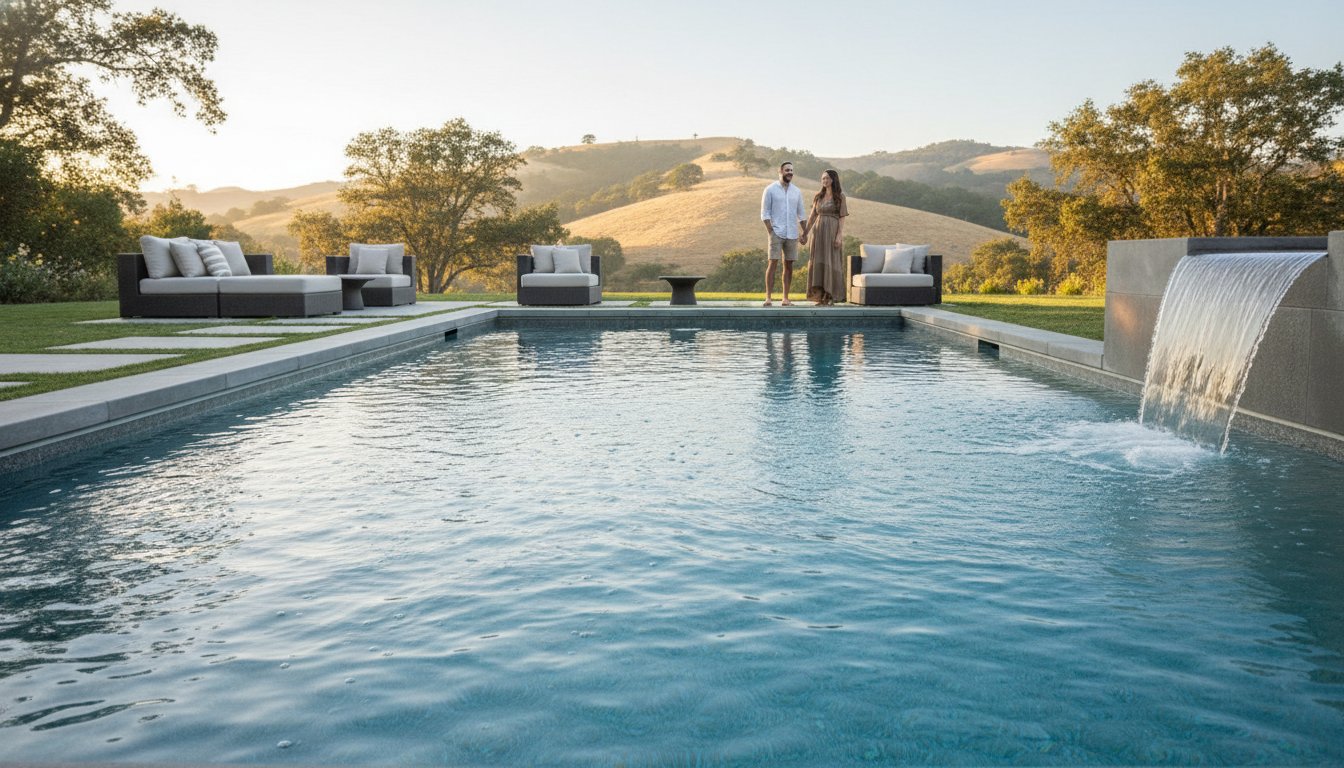
Could your pool's aging surface be doing more than just snagging swimsuits and causing "pool toe" during your weekend gatherings? For many homeowners, a backyard oasis is meant to be a sanctuary of smooth surfaces and crystal-clear water, yet time and local soil conditions can eventually lead to visible cracks and persistent staining. If you've noticed your pool losing its aesthetic appeal or structural integrity, you aren't alone in wanting a solution that prioritizes craftsmanship over a quick fix. Choosing the right approach for pool replastering Concord homeowners can trust requires a balance of high-end materials and meticulous preparation.
We understand that a pool renovation is a significant investment in your property's value and your family's quality of life. You deserve a result that feels as premium as it looks, without the fear of hidden leaks or sub-par workmanship. In this guide, you'll discover the essential steps to a successful resurfacing project, including how to navigate the 2026 California Title 24 energy standards and which materials best suit our regional climate. We will walk through the selection of durable finishes and the technical precision required to ensure your pool remains a centerpiece of your home for decades to come.
Key Takeaways
- Identify the structural warning signs like delamination and etching that indicate when your pool's surface requires professional intervention.
- Compare the longevity and aesthetic benefits of various interior finishes, ranging from classic plaster to high-performance quartz and pebble textures.
- Learn how a methodical "chip-out" and surface preparation phase ensures your pool replastering Concord project forms a permanent bond with the existing shell.
- Understand the specific labor and material factors that influence the total value and long-term return on investment for your backyard renovation.
- Discover how a deep understanding of Northern California's unique soil dynamics and environmental standards leads to a more stable and enduring outcome.
When to Consider Pool Replastering in Concord: Signs of Surface Failure
Identifying the right time for pool replastering Concord projects begins with a close look at the texture and color of your pool’s interior. Over time, the smooth finish of a standard swimming pool construction begins to degrade due to constant exposure to treated water. One of the most common issues is plaster etching, which manifests as small pits or a sandpaper-like texture. This often happens when chemical imbalances, specifically low calcium hardness or aggressive pH levels, cause the water to leach minerals directly from the plaster. While it starts as a cosmetic nuisance, it quickly evolves into a structural concern.
You might also notice delamination, a more serious condition where the top layer of plaster physically separates from the underlying gunite shell. This often sounds like a hollow thud when tapped. It’s vital to distinguish between mineral staining and structural cracks. While many stains can be addressed through chemical treatments or professional cleaning, deep cracks often signal that the plaster has reached the end of its functional life. In Concord, the seasonal shift from scorching summer afternoons to chilly winter nights forces the pool surface to expand and contract. This thermal stress can accelerate the widening of existing fissures, making a timely resurfacing essential to prevent water loss.
The Impact of East Bay Expansive Soils
Homeowners in Contra Costa County face a unique challenge: expansive clay soils. These soils swell when wet and shrink when dry, putting immense pressure on your pool's foundation. Surface cracks are frequently symptoms of these deeper structural shifts. During a professional inspection, experts look for "hollow spots" by sounding the floor and walls. These areas indicate where the bond between the plaster and the shell has failed, often due to soil movement. Addressing these issues during pool replastering Concord services ensures the new finish has a stable, secure base that won't fail prematurely.
Aesthetic vs. Functional Urgency
While a faded pool might look uninviting, some signs of failure demand immediate action for safety reasons. Rough surfaces act like abrasive grit, causing skin abrasions or "pool toe" for active swimmers. Additionally, aging, porous plaster absorbs more chemicals, leading to higher monthly maintenance costs and inconsistent water quality. Osmotic blistering is a key indicator for immediate replastering, appearing as small, fluid-filled bubbles that suggest moisture has trapped itself behind the finish. Choosing to resurface before these issues escalate protects both your investment and the comfort of everyone who uses the water.
Comparing Pool Finishes: Plaster, Quartz, and Pebble Tech
Selecting the right interior finish is the most impactful decision in any pool replastering Concord project. This choice dictates not only the aesthetic of your backyard but also the maintenance requirements and comfort of your swimming experience for years to come. While the foundational shell provides the structure, the finish is what you see and feel every time you step into the water. In the intense Concord sun, your choice also influences water temperature and how light reflects across the surface.
Standard white plaster remains a classic, cost-effective choice for many homeowners. It's a simple blend of white cement and crushed marble that provides a clean, bright appearance. However, it's the most susceptible to the chemical etching and staining mentioned in the previous section. For those seeking enhanced durability, quartz finishes offer a significant upgrade. By mixing ceramic-coated quartz crystals into the plaster, we create a harder surface that's more resistant to chemical fluctuations and available in a wide array of colors. Pebble finishes represent the gold standard for longevity. Composed of small, smooth river stones, these surfaces are nearly inert, resisting chemical attacks and physical wear with ease.
Longevity and Warranty Expectations
The lifespan of your pool surface varies significantly based on the materials you select. Standard plaster typically lasts between 7 and 10 years before it begins to show its age. In contrast, pebble finishes often remain in excellent condition for 20 years or more. It's vital to understand the difference between a workmanship warranty, which covers the technical application, and a material warranty provided by the manufacturer. According to the Pool & Hot Tub Alliance, following strict application standards is essential for long-term success. Many premium material manufacturers require specialized, certified applicators to ensure their warranties remain valid, protecting your investment from the start.
Texture and Comfort Considerations
Texture plays a major role in how you enjoy your pool. While pebble finishes offer superior slip resistance, some swimmers find the larger stones a bit too textured for sensitive feet. Quartz provides a happy middle ground, offering a smoother feel than pebble while maintaining much higher durability than basic plaster. Micro-pebble is the trending choice for Concord families because it combines the extreme longevity of traditional pebble with a much smoother, refined texture that's gentle on feet. If you're ready to see how these materials look in a real-world setting, exploring expert remodeling and renovation options can help you narrow down the perfect match for your home's aesthetic.
The Professional Replastering Process: Step-by-Step
A successful pool replastering Concord project is a carefully orchestrated sequence of events that transforms a worn vessel into a pristine retreat. The process is methodical, beginning with the controlled drainage of the water and an immediate structural inspection within the first 24 hours. This initial window is critical; our experts examine the bare shell for hidden fissures or weeping hydrostatic valves that only become visible once the weight of the water is removed. This transparency ensures that every underlying issue is addressed before the new finish is applied.
Following the inspection, the "chip-out" phase begins. This is the most labor-intensive and audible part of the renovation. Technicians use pneumatic tools to strip away the old, failing plaster, focusing specifically on removing "hollow" areas where the previous finish has delaminated from the gunite. While the pool is empty, it is also the most logical time to coordinate tile and coping updates. Replacing these elements alongside the plaster prevents future leaks and ensures the new interior finish meets the tile line with a seamless, watertight seal.
On application day, the transformation reaches its peak. A specialized crew arrives with mixing and pumping equipment to deliver the material directly into the pool. Skilled artisans then hand-trowel the surface, a manual process that requires years of experience to master. This craftsmanship ensures a dense, uniform finish that follows the unique contours of your pool’s benches, steps, and floor. The steady, rhythmic nature of this work is what creates the smooth, professional result that lasts for decades.
Surface Preparation: The Bond Coat Secret
While some contractors might suggest a simple acid wash to prepare the surface, this is often insufficient for a long-lasting bond. We utilize a high-quality bond coat, which acts as a specialized adhesive bridge between the original gunite and the new plaster. This step is vital for preventing future delamination. By removing all unstable material and applying this textured, high-strength layer, we create a foundation that ensures the new finish remains permanently anchored to the pool shell.
The Refill and Initial Chemical Start-up
Once the final trowel stroke is complete, the refill process must begin immediately. Allowing the new plaster to sit exposed to the Concord sun can cause "checking," which are small spiderweb cracks that compromise the finish. The first 28 days represent the critical "cure" period. During this time, the water chemistry must be managed with extreme precision to protect the new surface as it hardens. Homeowners play a vital role in this phase; daily brushing is required for the first two weeks to remove plaster dust and ensure the finish sets with a smooth, polished texture.

Budgeting for Replastering in Concord: Value and ROI
A successful pool replastering Concord project requires a budget that accounts for both visible materials and the technical labor required for a lasting finish. While square footage is the primary baseline, the complexity of your pool's design significantly influences the final investment. Geometric pools with standard floors are straightforward. However, custom designs featuring integrated spas, tanning ledges, or wrap-around benches require additional hours of meticulous hand-troweling. These architectural details demand a higher level of craftsmanship to ensure the plaster is dense and uniform across every transition and corner.
Investing in tile and coping upgrades during the resurfacing process often yields the highest long-term return. Since the pool is already drained and the old plaster is being removed, the labor cost to replace worn tile or cracked coping is substantially lower than doing these projects separately. Beyond aesthetics, modernizing these elements prevents water from seeping behind the shell, which protects your new interior finish from premature delamination. Homeowners must also factor in local Concord permit requirements. The City of Concord requires building permits for major renovations, and acting before the 2026 Title 24 energy code updates can simplify the requirements for heating systems and mandatory pool covers.
Hidden Costs to Watch Out For
The most common variables in a renovation budget are the conditions discovered only after the pool is empty. Underlying gunite issues, such as "weeping" cracks or structural voids, must be stabilized before the bond coat is applied. We also recommend plumbing pressure tests to ensure your underground lines are sound. It is far more efficient to repair a small leak now than to compromise a brand-new surface later. Remember to include the cost of startup chemicals and professional water balancing, as the first 28 days of chemical management are vital for the plaster's long-term health.
Maximizing Your Home Value
In the East Bay real estate market, a well-maintained pool is a significant asset that can influence appraisals and buyer interest. Moving away from standard white plaster toward modern color palettes, such as French Gray or Tahoe Blue, creates a resort-style atmosphere that resonates with today's buyers. If you are preparing to list your property, the Pool Inspections for Real Estate services offered by Paradise Pools, Inc. provide a comprehensive evaluation of the pool's condition to ensure a smooth transaction. A pristine, recently resurfaced pool suggests a home that has been cared for with meticulous attention to detail.
To ensure your renovation meets the highest standards of quality and efficiency, schedule a professional pool replastering consultation today.
Why Paradise Pools, Inc. is Concord’s Trusted Resurfacing Partner
Choosing a contractor for a major renovation requires more than just a quote; it requires the assurance that your home is in the hands of an established authority. Paradise Pools, Inc. brings over 45 years of institutional knowledge to the Northern California pool construction industry. This deep well of experience allows us to address the specific geological challenges found in Concord and Walnut Creek with precision. We understand how the local climate and seasonal soil shifts impact a pool's longevity. We've refined our processes to mitigate these variables before they become costly problems, especially in areas prone to expansive soil or hillside instability.
Our team operates with a quiet confidence that stems from decades of successful projects. We don't rely on high-pressure rhetoric. Instead, we offer a service-oriented experience that prioritizes stability and the realization of your specific vision. This methodical approach to pool replastering Concord families trust ensures that every detail, from the structural bond to the final trowel stroke, is handled with a steady, expert hand. We manage the entire project with a transparent rhythm, keeping you informed as we move from the conceptual stage to a tangible, well-maintained outcome.
Craftsmanship and Longevity
The durability of your pool's new finish depends heavily on the technique used during application. Our artisans at Paradise Pools, Inc. utilize a specialized hand-troweling method that creates a denser, more uniform surface than standard mechanical applications. This meticulous process ensures that the plaster or pebble finish is perfectly integrated with the pool's contours, reducing the risk of future delamination. As a family-owned and operated company since 1978, we maintain a sense of pride in our workmanship that only comes from deep community roots. We partner exclusively with top-tier material manufacturers to ensure the products we use meet the highest standards for verified quality.
Start Your Transformation Today
Restoring your pool to its former glory begins with a comprehensive site evaluation. When you book a consultation, a Paradise Pools, Inc. expert will visit your property to assess the current state of your pool's shell and discuss which materials will best withstand the Concord sun. We take the time to understand your goals, whether you're looking for a classic white finish or a modern, resort-style pebble texture. You'll receive a detailed overview of the timeline and requirements, ensuring a guided and seamless experience from start to finish.
Schedule your professional pool resurfacing consultation with Paradise Pools, Inc. and take the first step toward a lasting, beautiful backyard investment.
Restore the Lasting Beauty of Your Backyard Oasis
Investing in your pool's interior is more than a cosmetic update; it is a commitment to the longevity of your home's most significant outdoor asset. As we have explored, the choice between standard plaster and premium pebble finishes defines your maintenance experience and swimming comfort for years to come. By addressing the specific technical needs of pool replastering Concord projects, you ensure that every surface is smooth and every structural detail is secured against the unique environmental pressures of the East Bay.
Since 1978, Paradise Pools, Inc. has provided Northern California homeowners with the reliability of a family-owned and operated partner. Our expertise in specialized hillside construction and the management of expansive soil conditions ensures that your renovation is handled with the depth of knowledge required for permanent results. With over 45 years of institutional experience, we offer a personalized partnership that transforms your conceptual vision into a tangible sanctuary of relaxation and quality.
Request a Professional Replastering Quote from Paradise Pools, Inc. to begin your renovation with an expert guide. We look forward to helping you preserve your pool for decades of enjoyment.
Frequently Asked Questions
How long does it take to replaster a pool in Concord?
Most pool replastering Concord projects require approximately seven to fourteen days from the initial draining to the final refill. The exact timeline depends on the complexity of the pool's shape and whether you've opted to coordinate tile or coping replacements. While the application of the new finish is completed in a single day, the preceding chip-out and subsequent chemical startup phases require a methodical approach to ensure a durable result.
Can I just patch the cracks in my pool plaster instead of resurfacing?
Patching is generally considered a temporary cosmetic fix rather than a long-term structural solution. If your pool shows signs of widespread etching, delamination, or deep fissures, patching won't address the underlying bond failure between the plaster and the gunite shell. A comprehensive resurfacing provides a uniform, watertight seal that prevents further degradation and ensures the aesthetic harmony of your backyard oasis.
What is the best time of year to replaster a pool in Northern California?
Spring and fall are the ideal seasons for resurfacing projects in the East Bay. These months provide moderate temperatures that allow the new plaster to cure evenly without the risk of "checking" caused by extreme summer heat. Avoiding the peak of the winter rainy season also ensures that the bond coat and preparation phases aren't interrupted by inclement weather, allowing for a steady and predictable project flow.
Will replastering my pool fix a leak?
Replastering effectively seals surface-level porosity and minor hairline cracks, but it isn't a solution for structural fissures or plumbing leaks. If you suspect your pool is losing water, we perform a thorough inspection and plumbing pressure test once the shell is empty. Identifying and repairing these foundational issues before applying the new surface is the only way to guarantee a permanent, leak-free outcome.
What is the difference between pool resurfacing and replastering?
While homeowners often use these terms interchangeably, resurfacing is the broader category that encompasses all types of interior finishes, including pebble and quartz. Replastering specifically refers to the application of a cement-based finish, such as standard white plaster. Both processes involve the same rigorous preparation steps, including the removal of the old material and the application of a high-quality bond coat to the existing gunite.
How long should I wait to swim after my pool is replastered?
You should typically wait seven to ten days after the pool has finished filling before you begin swimming. This period is vital for the initial chemical startup, during which the water is balanced and the plaster dust is brushed away and filtered. Swimming too early can interfere with the curing process or introduce body oils and contaminants before the surface has reached its necessary hardness and stability.
Do I need a permit for pool replastering in Concord, CA?
Yes, the City of Concord requires a building permit for in-ground swimming pool resurfacing and major remodeling. This requirement ensures that the project adheres to current California safety standards, including drowning prevention features and energy efficiency regulations. Navigating these municipal requirements is a standard part of our professional service, providing you with the peace of mind that your renovation is fully compliant.
How often does a pool need to be replastered?
The frequency of replastering depends on the material used and the consistency of your water chemistry maintenance. Standard white plaster typically lasts between seven and ten years, whereas premium pebble or quartz finishes can easily last twenty years or more. Investing in high-quality materials and professional application significantly extends the life of your pool's interior, protecting the structural shell from the corrosive effects of treated water.


