
The most cost-effective choice for your pool surface might actually be the one with the higher initial price tag. While traditional white plaster is often seen as the standard, it can quickly become a source of frustration when Napa's expansive soils lead to premature cracking or staining. You likely want a backyard retreat that mirrors the elegance of a high-end resort, yet the fear of rough textures scraping your skin or the confusion over long-term ROI often makes the decision difficult. Understanding the pebble tec vs plaster pros and cons is essential for any North Bay homeowner planning a renovation or new build in 2026.
We're here to help you clarify these options so you can achieve a finish that lasts over 20 years with minimal maintenance. It's a process of turning a visionary concept into a tangible, well-maintained reality that suits your family's lifestyle. This comparison explores everything from aesthetic trends like deep lagoon tones to the practical realities of chemical usage and structural longevity. By the end, you'll know exactly which surface will preserve your pool's beauty and your peace of mind for decades to come.
Key Takeaways
- Distinguish between the classic composition of marble-based plaster and the fortified longevity of smooth river pebble aggregates.
- Evaluate the pebble tec vs plaster pros and cons to understand how a higher initial investment secures a 25-year surface lifespan.
- Discover why aggregate finishes are more resilient against chemical etching, leading to fewer acid washes and reduced long-term maintenance costs.
- Identify how different surface textures and shades influence water depth, reflection, and the overall sensory experience for your family.
- Understand the vital role of expert application in preventing common defects and ensuring your pool remains a permanent fixture of luxury.
Pebble Tec vs. Plaster: Understanding the Fundamentals of Pool Resurfacing
Choosing a pool finish is the most impactful decision you'll make during a renovation. It represents the final stage of swimming pool construction, acting as both a waterproof seal and a stylistic statement. While the structure of the pool provides the shape, the finish dictates the daily experience of the water. Homeowners often weigh the pebble tec vs plaster pros and cons to determine if they want a short-term refresh or a permanent transformation for their backyard environment.
Traditional plaster is a simple mixture of white Portland cement and finely crushed marble. It's functional, familiar, and has been the industry standard for decades. In contrast, Pebble Tec is a high-performance aggregate finish that uses smooth, naturally tumbled river stones suspended in fortified cement. This difference in composition creates a vast gap in longevity. A standard plaster surface usually requires attention within 7 to 12 years. An aggregate finish, however, is built to endure for 20 years or more, acting as a legacy finish for your home that withstands the test of time and local environmental shifts.
The Classic Appeal of Traditional Plaster
Traditional plaster remains a staple for a reason. It creates the iconic, bright aqua water color that many associate with a luxury resort. For minimalist architectural styles common in Sonoma and Napa, the clean lines and uniform color of plaster offer a refined, understated backdrop. It's also the smoothest surface available. If your priority is a soft texture for sensitive skin and a lower upfront investment, plaster provides an immediate, polished result. You should be aware that because marble is a relatively soft stone, it's susceptible to "etching" from unbalanced water chemistry. This chemical wear can lead to a rougher feel over time, requiring more frequent maintenance to keep the surface pristine.
The Innovation of Aggregate Finishes
Aggregate finishes changed the industry in the late 1980s by introducing natural stone into the mix. These aren't just decorative; the stones provide a literal shield against the harsh effects of pool chemicals. While original Pebble Tec uses larger stones for a more textured, organic look, products like Pebble Sheen use smaller pebbles to achieve a more refined feel. This technology turns the pool surface into a durable, non-slip reinforcement. It resists the "mottling" and staining that often plagues traditional marble-based finishes, especially in regions with complex soil conditions. Evaluating the pebble tec vs plaster pros and cons often reveals that aggregate finishes provide a superior structural defense for your investment.
The Durability Gap: Why Pebble Finishes Outlast Traditional Plaster
Understanding the pebble tec vs plaster pros and cons requires looking beneath the surface at how these materials interact with the environment. Traditional plaster relies on crushed marble, which is essentially calcium carbonate. While beautiful, it's a chemically reactive substance. In the North Bay, where expansive clay soils can cause slight structural shifts, the rigidity and vulnerability of standard plaster often lead to visible wear much sooner than homeowners expect. A pebble finish provides a more resilient alternative, acting as a fortified barrier against both chemical and physical stress.
Chemical Resilience and Water Balance
The degradation of plaster is a matter of basic chemistry. When pool water pH drops even slightly, the water becomes "hungry" for calcium. It satisfies this by leaching minerals directly from the marble in your plaster. This process, known as etching, creates a sandpaper-like texture and unsightly "white spot" syndrome. Pebble finishes use non-reactive silica stones that don't dissolve. This chemical inertness means your water chemistry remains more stable. Because the stones don't react with the water, you avoid the pitting and mottling that often complicate pool resurfacing cost calculations over a ten-year period.
Adapting to the North Bay Climate
Napa Valley presents unique challenges, specifically intense UV exposure and significant temperature fluctuations between day and night. Standard plaster pigments can fade under the California sun, leading to a patchy appearance. Pebble finishes utilize UV-stable pigments and natural stone colors that remain vibrant for decades. These materials also handle thermal expansion more gracefully. The aggregate structure acts as a dense, protective shell that is less likely to delaminate or crack when the ground moves or temperatures spike. This makes pebble a superior choice for the varied terrain of the North Bay.
Maintaining this structural integrity is a hallmark of our craftsmanship. If you're noticing signs of wear on your current surface, a professional pool remodeling and renovation assessment can determine if a pebble upgrade is the right path for your property's specific soil conditions. This proactive approach ensures your investment remains a source of pride rather than a recurring maintenance task. It's about creating a finish that doesn't just look spectacular on day one, but stays that way for twenty years.
Aesthetic Appeal and Texture: Finding the Right Feel for Your Napa Oasis
While durability ensures your investment is protected, the aesthetic choice defines the daily atmosphere of your outdoor living space. The visual and tactile qualities of a pool interior finish determine whether your backyard feels like a crisp, modern resort or a secluded mountain lagoon. When weighing the pebble tec vs plaster pros and cons, homeowners often find that the decision hinges on how the water interacts with the surrounding Napa landscape, from sun-drenched vineyards to shaded oak groves.
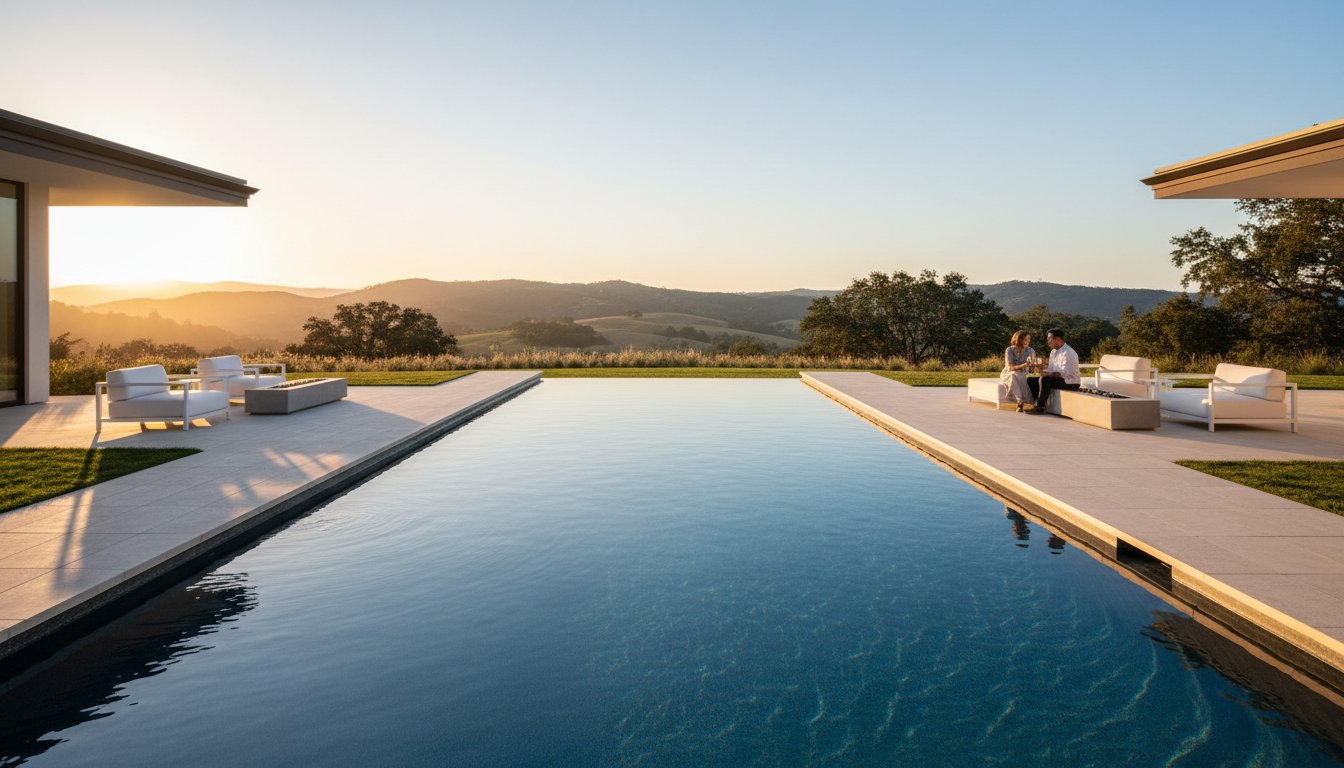
Traditional plaster provides a uniform, bright aqua color that reflects the sky with high clarity. This "classic resort" look is achieved through the white base of the cement, which allows sunlight to penetrate deep into the water. However, aggregate finishes offer a broader palette of possibilities. By choosing specific stone colors, you can manipulate the water's appearance to create deep emerald greens or dramatic midnight blues. These darker shades are particularly effective for properties with hillside views, as they create a "mirror" effect that reflects the horizon across the water's surface.
Visual Customization and Water Color
Customization goes beyond the base color of the stones. Modern aggregate installations often incorporate shimmering elements like abalone shell or iridescent glass beads. These additions catch the light as the water ripples, adding a layer of depth that traditional plaster cannot replicate. If your goal is a Caribbean-blue glow in full sun, light-colored pebbles mixed with white or light gray cement will achieve that brilliance. Conversely, graphite or deep blue aggregates transform the pool into a natural-looking pond that complements the earth tones of a vineyard setting. This level of artistic control allows the pool to become a seamless extension of your home's architecture.
The Tactile Experience: Comfort Underfoot
A common myth suggests that aggregate finishes are uncomfortably rough, but the reality depends entirely on the size of the stone and the skill of the applicator. Original Pebble Tec has a distinct "orange peel" texture that provides excellent slip resistance on tanning ledges and steps. For those with sensitive skin or young children, Pebble Sheen offers a sophisticated compromise. It uses smaller, more refined pebbles that are buffed during the installation process to create a surface that feels remarkably smooth while maintaining the durability of stone. While traditional plaster is famously "glass-smooth" when new, it can become abrasive as it etches over time. In contrast, a well-applied pebble surface remains consistent in texture for its entire lifespan, ensuring comfort for decades of family use.

Calculating Long-Term Value: Maintenance, Chemicals, and ROI
Looking at the initial invoice for a pool finish often leads to sticker shock, as aggregate surfaces can cost two to three times more than standard white plaster. However, viewing this through the lens of a long-term investment reveals a different story. When you evaluate the pebble tec vs plaster pros and cons, you have to account for the reality that a plaster pool will likely need to be resurfaced two or even three times during the lifespan of a single Pebble Tec finish. This makes the "cheaper" option far more expensive when labor and material inflation are factored into the next two decades of homeownership.
The decision isn't just about the check you write today. It's about the recurring costs of ownership that accumulate every month. Plaster is a temporary solution that requires constant vigilance, whereas a pebble finish is a structural legacy designed for the long haul. In the North Bay's discerning market, quality is always the most efficient path to value.
Maintenance Requirements and Chemical Usage
The porous nature of traditional plaster means it acts like a sponge for minerals and organic matter. This leads to scaling and persistent algae growth that requires aggressive chemical intervention. You'll find that plaster pools demand stricter water chemistry monitoring to prevent the surface from becoming rough or discolored. In contrast, the smooth stones used in aggregate finishes are non-porous and naturally resistant to algae. This reduces your weekly chemical consumption and extends the time between professional acid washes. While a plaster pool might require an acid wash every few years to restore its brightness, a pebble surface maintains its luster with standard care and fewer harsh treatments.
Real Estate Value in the North Bay
In the competitive Napa Valley and Sonoma real estate markets, a pool's condition can make or break a high-end sale. Discerning buyers often view aging plaster as a liability or a looming repair bill. Our pool inspections for real estate frequently highlight delaminating or stained plaster as a significant point of negotiation. Conversely, a certified Pebble Tec finish is a prestigious selling point that suggests the home has been meticulously maintained. The presence of a durable, high-end finish provides peace of mind to new homeowners, especially when backed by a transferable warranty. Choosing the right finish is ultimately a decision about how you want to preserve your property's equity. You can opt for the lower entry price of plaster and accept the cycle of frequent chemical adjustments, or you can choose the permanence of an aggregate finish that offers a higher return through reduced maintenance and increased property appeal.
Expert Guidance: Selecting Your Ideal Finish with Paradise Pools
Paradise Pools, Inc. has spent 45 years refining the art of pool resurfacing in the unique climate of Napa Valley. While the choice between materials is a significant hurdle, the success of your renovation ultimately rests on the hands that apply the finish. A high-end aggregate is only as durable as its installation. We approach every project as a boutique partnership, ensuring that the technical execution matches your creative vision. When you weigh the pebble tec vs plaster pros and cons, remember that the applicator's skill is the invisible factor that determines whether your pool lasts for a decade or a generation.
Our team acts as a steady, expert hand, guiding you through the complexities of local soil conditions and seismic requirements. We take pride in a tradition of workmanship that prioritizes longevity over speed. This meticulous approach is what transforms a standard backyard into a permanent sanctuary. We understand that you aren't just buying a surface; you're investing in a specific lifestyle that demands both beauty and reliability.
The Importance of Certified Application
The difference between a mediocre finish and a masterpiece lies in hand-troweled precision. Our certified installers use specialized techniques to ensure a smooth, consistent texture across every square inch of the pool shell. This process is vital for achieving a perfect bond, especially when we're working with older structures that require careful preparation to prevent future delamination. By focusing on these technical details, we avoid the structural failures that often plague less rigorous installations. Every project we undertake is backed by a comprehensive warranty, offering you the security of knowing your investment is protected by a long-standing industry leader.
Designing for Your Lifestyle
Your pool should be a reflection of how you live. For families with active children, we often recommend the refined texture of Pebble Sheen to ensure comfort during long hours of play. If your property is a quiet retreat overlooking a vineyard, a darker aggregate can create a stunning mirror effect that anchors the landscape. We help you match your finish to local stone elements and the specific light conditions of your yard. This personalized guidance ensures your pool isn't just a utility, but a cohesive part of your estate's aesthetic. We consider everything from the slope of your property to the surrounding vegetation to recommend a finish that thrives in your specific microclimate.
If you're ready to see the textures and colors in person, schedule your custom pool consultation today. We invite you to explore our portfolio and discover how our deep institutional knowledge can bring your vision to life. Let us help you select the finish that provides the perfect balance of luxury, comfort, and enduring value for your North Bay home.
Securing the Legacy of Your Napa Estate
Choosing a pool surface is a decision that balances immediate comfort with decades of structural integrity. While traditional plaster offers a familiar and smooth finish, the long-term resilience of an aggregate surface provides a level of peace of mind that is difficult to match. By weighing the pebble tec vs plaster pros and cons, you're choosing between a ten-year maintenance cycle and a twenty-five-year legacy finish that stands up to the unique soil and UV conditions of the North Bay. This investment isn't just about aesthetics; it's about preserving the value and functionality of your property for the next generation.
Paradise Pools has been family-owned and operated since 1978, bringing over 45 years of Napa Valley expertise to every project. We specialize in complex hillside and custom construction, offering the steady, expert hand needed to navigate intricate technical requirements. Our commitment to craftsmanship ensures that your pool becomes a permanent sanctuary of quality and style. Elevate your backyard with a professional pool remodel from Paradise Pools. We look forward to helping you realize the full potential of your outdoor living space with a finish that remains beautiful for years to come.
Frequently Asked Questions
Is Pebble Tec really worth the extra money compared to plaster?
Yes, Pebble Tec is a superior investment when you calculate the total cost of ownership over twenty years. While the upfront price is higher, you avoid the expense of resurfacing your pool every seven to ten years. When evaluating the pebble tec vs plaster pros and cons, the aggregate finish wins on longevity because it resists the chemical etching that eventually destroys standard plaster.
Does Pebble Tec scrape your feet or feel too rough for children?
A professionally installed pebble finish shouldn't cause scrapes or discomfort for children. The stones are naturally tumbled and smooth; any perceived roughness usually stems from poor application rather than the material itself. For families with very young children or sensitive feet, we often recommend a more refined texture that provides slip resistance without being abrasive during long afternoons of play.
How long does a traditional pool plaster finish actually last in California?
In the California climate, traditional white plaster typically lasts between 7 and 12 years before showing significant signs of wear. Intense UV exposure and the specific mineral content of North Bay water can accelerate this timeline. You'll often notice "mottling" or a sandpaper-like texture as the finish nears the end of its functional life, signaling it's time for a refresh.
Can I change from a plaster finish to a pebble finish during a remodel?
You can absolutely upgrade from plaster to a pebble finish during a pool remodeling and renovation project. The process involves either stripping the old plaster or applying a specialized bond coat to ensure the new aggregate adheres perfectly to the existing concrete shell. This is a common way to modernize an older pool while significantly increasing its structural durability.
Which pool finish is best for a saltwater pool system?
Aggregate finishes are the gold standard for saltwater pool systems because they're chemically inert. Saltwater can be more aggressive toward the soft marble dust found in traditional plaster, leading to faster degradation and pitting. The non-reactive silica stones in a pebble finish are impervious to salt, making them the most reliable choice for homeowners who prefer a saltwater environment.
How do I choose the right water color for my pebble finish?
Water color is determined by the combination of the pebble shade and the pigment in the cement. Lighter pebbles with white cement create a bright, tropical aqua, while darker stones with gray or black cement produce deep, reflective navy tones. It's best to view physical samples in different light conditions to see how the vineyard sun affects the final reflection on the water.
Does a pebble finish require different chemicals than a plaster pool?
A pebble finish requires the same basic water balancing chemicals as a plaster pool, but it's much more forgiving of minor imbalances. Because the surface is less porous, it doesn't "leach" calcium into the water as easily as marble-based finishes. This stability often leads to lower chemical consumption and fewer corrective treatments like acid washes over the life of the surface.
What is the difference between Pebble Tec and Pebble Sheen?
The primary difference between these two finishes is the size of the stone used in the mixture. Pebble Tec uses larger, naturally tumbled stones for a more organic, textured appearance. Pebble Sheen utilizes smaller pebbles that are buffed during installation to create a tighter, smoother surface that still offers the legendary durability and stain resistance of a stone aggregate.


