
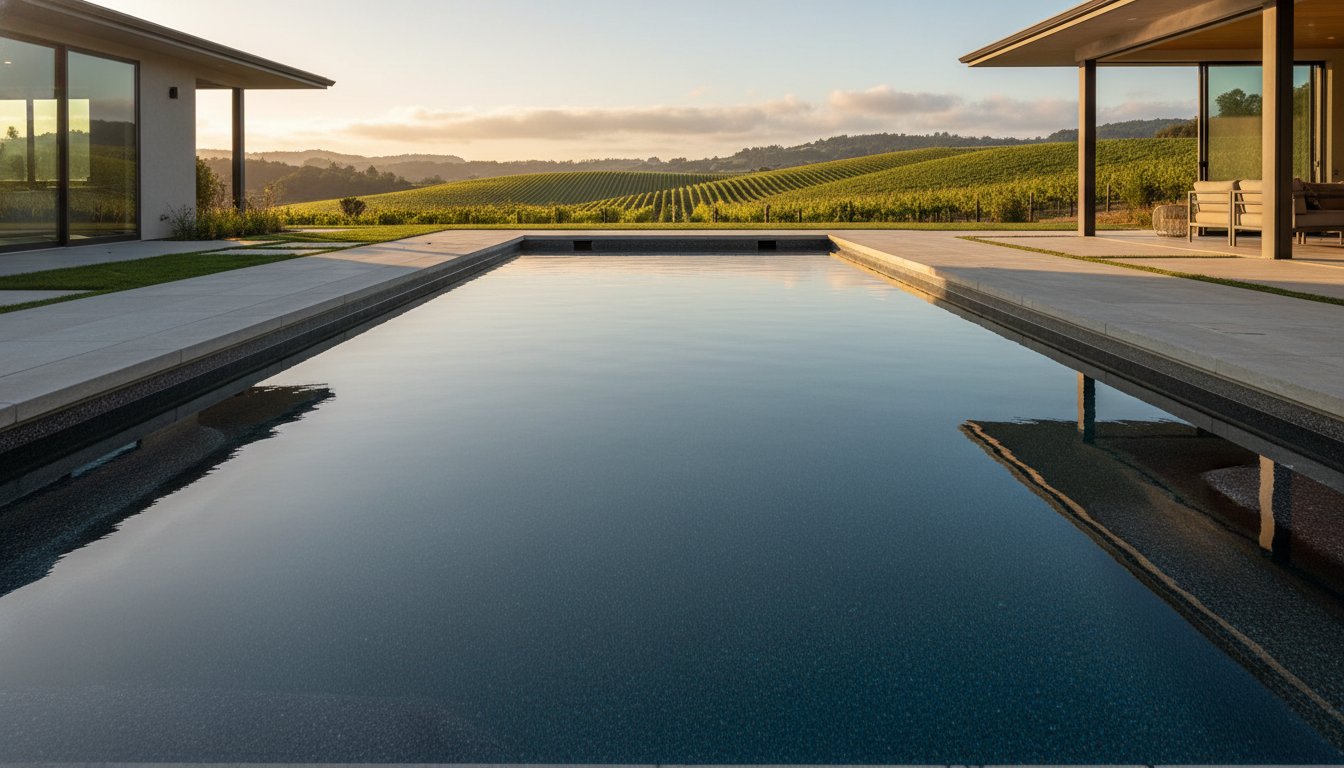
In the seismic landscape of Napa and Sonoma, a pool surface is far more than a cosmetic choice; it is a vital structural shield against expansive clay and shifting ground. You likely understand that a simple plaster patch won't suffice when your backyard sits on some of Northern California's most volatile soil. It's natural to feel concerned about hiring pool resurfacing contractors who might promise a quick fix but ignore the rigorous 2026 technical standards required for true longevity.
This guide will show you how to identify experts who prioritize meticulous craftsmanship over temporary shortcuts. You'll discover how to evaluate the long-term ROI of modern finishes like pebble and quartz while ensuring your renovation meets every current state safety mandate. We'll examine the essential vetting process for local C-53 licenses, the impact of the latest California Building Codes, and the specific geological factors that determine whether your pool remains a pristine asset or becomes a recurring liability.
Key Takeaways
- Recognize the early indicators of surface degradation, including "plaster burn" and rough textures, to prevent minor issues from evolving into costly structural repairs.
- Evaluate the chemical advantages and longevity of premium finishes like quartz and pebble to select a surface that resists algae and enhances your property value.
- Navigate the vetting process by confirming a C-53 license and a bond beam inspection, ensuring your pool resurfacing contractors meet the highest technical standards for 2026.
- Prepare for the rhythmic phases of a renovation, moving methodically from the initial drainage and surface preparation to the intricate details of tile and coping installation.
- Leverage local institutional knowledge to navigate the specific geological requirements and permit processes unique to Napa and Sonoma counties.
Identifying the Need for Pool Resurfacing in Northern California
Pool resurfacing is the technical process of removing and replacing the top waterproof layer of your pool's interior vessel. While various types of in-ground pools utilize different structural bases, the finish is what protects the underlying concrete from water penetration and chemical erosion. Over time, this protective barrier succumbs to environmental stressors. You might notice "plaster burn," which appears as dark, unsightly streaks, or a rough texture that irritates the skin. These aren't merely aesthetic issues; they often signal that the surface is leaching minerals or harboring deep-seated algae.
In the North Bay, the climate plays a significant role in surface degradation. Napa Valley's intense summer heat followed by cool, damp winters creates a cycle of expansion and contraction. This thermal stress often leads to delamination. Delamination is the physical separation of the plaster or aggregate finish from the structural concrete shell. While cosmetic staining can often be treated with a professional acid wash, structural failures like delamination or widespread pitting require the expertise of qualified pool resurfacing contractors to restore the vessel's integrity.
The Role of Napa Valley Soil and Seismic Activity
The geological profile of Napa and Sonoma counties presents unique challenges for pool longevity. Much of the region contains expansive clay soil, which swells when wet and shrinks when dry. This constant movement exerts immense pressure on pool shells. In seismic zones, even minor tremors can create micro-cracks in an aging surface. These small fissures often lead to significant water loss and structural decay if ignored. During any renovation, it's vital to inspect the bond beam, the thickest part of the pool wall where the tile meets the coping, as this area is most susceptible to horizontal pressure.
When to Resurface vs. When to Repair
Standard white plaster in California typically follows a 10-Year Rule. While some finishes may last longer with meticulous maintenance, the decade mark is usually when the material becomes porous and difficult to balance chemically. Deciding between a localized repair and a full resurfacing depends on the extent of the damage. If more than 25 percent of the surface shows signs of pitting or delamination, a full replacement is the only reliable way to ensure a leak-free outcome. This is also the ideal time to evaluate your tile and coping. If the grout is failing or tiles are popping, addressing these elements simultaneously with the surface ensures a cohesive, durable finish that protects your investment for another decade.
Evaluating Modern Pool Finishes: Plaster, Quartz, and Pebble
Selecting a pool finish is a decision that balances immediate aesthetic appeal with long-term structural resilience. In the North Bay, where vineyard estates and modern ranch homes define the architectural language, the choice of material should complement the surrounding natural beauty while resisting the region's specific environmental pressures. Each finish offers a distinct chemical profile that dictates its resistance to algae and its overall tactile experience. Professional pool resurfacing contractors typically categorize these options into three primary tiers: traditional plaster, quartz-enhanced mixtures, and premium pebble aggregates.
The chemical composition of your chosen finish determines how it interacts with water chemistry and sunlight. Higher-end finishes incorporate non-reactive materials that prevent the "bleeding" of minerals, which often leads to the scaling and rough spots found in older vessels. Regardless of the material you choose, following established guidelines for pool safety and maintenance ensures your new surface remains hygienic and visually striking for years to come.
Standard White Plaster: The Traditional Choice
Standard white plaster, a blend of white cement and crushed marble dust, remains the classic entry point for many homeowners. It's prized for its iconic, smooth feel and its ability to create a brilliant, light-blue water color. While it's the most budget-friendly option, it's also the most porous. In the varied environments of Sonoma and Marin, you can expect a lifespan of 7 to 12 years. Because plaster is reactive, it requires diligent chemical balancing to prevent early degradation from the acidic or alkaline fluctuations common in Northern California water sources.
Quartz and Pebble Finishes: The Premium Standard
Quartz finishes introduce crushed silica to the cement mix, significantly increasing hardness and resistance to UV degradation. This is a vital upgrade for pools with high sun exposure in areas like Calistoga or St. Helena. For luxury Napa estates, pebble finishes represent the pinnacle of durability, often lasting 15 to 20 years or more. These finishes utilize small, smoothed river stones that create a textured, slip-resistant surface. The variegated colors of pebble aggregates are exceptionally effective at hiding minor stains and organic debris, maintaining a polished appearance with less frequent scrubbing.
The aesthetic impact of these premium finishes cannot be overstated. Deep charcoal or "midnight" pebble tones are particularly popular in the region because they mimic the look of natural water features and retain solar heat more efficiently than lighter shades. While plaster is smoother for sensitive skin, pebble finishes provide superior traction for families with active children. If you're ready to see how these textures integrate into a total backyard vision, exploring a pool remodeling and renovation plan can help you weigh the long-term ROI of each material. Expert pool resurfacing contractors can guide you through these tactile differences to ensure the finished product aligns with your lifestyle and maintenance preferences.
How to Vet Pool Resurfacing Contractors: A Buying Guide
Selecting a finish is the visionary stage of your project, but the execution depends entirely on the technical proficiency of your chosen team. In California, any project valued at $1,000 or more requires a licensed professional. For specialized masonry work, you must verify that pool resurfacing contractors hold a valid C-53 Swimming Pool Contractor license. This classification isn't just a formality; it confirms the individual has at least four years of verifiable journey-level experience and has passed rigorous state examinations on structural integrity and safety.
Beyond the license, verify that the mandatory $25,000 contractor bond is current and active. For high-value residential properties in Napa and Sonoma, general liability and workers' compensation insurance are essential safeguards. These policies protect you from financial liability if an accident occurs on your property. A reputable contractor will proactively provide these certificates and adhere to the industry standards for pool resurfacing, ensuring the project meets the latest waterproofing and structural benchmarks.
Experience in the North Bay is a significant indicator of reliability. Look for a firm that's successfully operated through multiple California drought cycles. These contractors have refined their water-management techniques and understand the complexities of restarting a pool under strict local water-use regulations. They've seen how regional soil shifts impact different vessels and know how to reinforce a pool for the long term.
Questions to Ask During the On-Site Estimate
During the walkthrough, ask if they utilize hydro-blasting or manual chipping to remove the old surface. Hydro-blasting is often preferred for its precision and ability to create a superior bonding surface. Inquire about their process for handling pool water drainage. Napa and Sonoma have specific regulations regarding where and how pool water can be discharged, especially in areas with sensitive septic systems or proximity to vineyards. Finally, clarify the warranty details. You'll want to know the specific coverage for bond failure, which is a structural issue, versus aesthetic staining, which is often tied to chemical maintenance.
Red Flags in a Resurfacing Quote
Beware of quotes that seem unusually low or omit "startup chemicals" and initial water balancing. The first 30 days are critical for the curing process, and a contractor who leaves this to the homeowner is inviting early surface failure. Another major red flag is "over-plastering," or applying new material directly over an unsound old surface without proper stripping. This shortcut often leads to "calcium nodules" and surface popping within just two years. A precise, transparent quote should detail every phase of the project, from the initial bond beam inspection to the final chemical calibration.

The Resurfacing Timeline: What to Expect During the Renovation
A successful renovation follows a deliberate, chronological progression. Understanding this timeline helps homeowners manage expectations during what is a technically demanding and physically disruptive process. Professional pool resurfacing contractors divide the project into distinct phases to ensure each layer of the vessel is sound before the next is applied. This methodical approach transforms an aging structure into a pristine, durable asset through a series of precise steps.
The project begins with drainage and surface preparation. This initial stage is the loudest and messiest, as it involves stripping the old material to expose the structural shell. Once the shell is prepared, any necessary tile and coping installations are completed to ensure a seamless transition between the new surface and the pool's edge. Following this, the "Bond Coat" is applied. This specialized adhesive layer is the secret to a long-lasting finish, acting as the critical bridge between the structural concrete and the new interior material. Finally, the finish is hand-troweled by expert craftsmen before the pool enters the "Fill and Balance" period.
Preparation Methods: Chipping vs. Hydro-Blasting
We believe that removing the old surface completely is a non-negotiable step for achieving a permanent bond. While manual chipping is a traditional method, hydro-blasting utilizes high-pressure water to strip the finish while simultaneously etching the underlying concrete. This creates a superior mechanical bond for the new material. During this dusty preparation phase, meticulous care is taken to protect your surrounding landscaping and vineyards. We utilize containment barriers to ensure that debris does not impact your property's aesthetic or agricultural health.
The First 30 Days: Post-Resurface Care
The initial month after the vessel is filled is known as the "cure" phase, and it is the most critical time for the longevity of your finish. You cannot use a pool heater or salt chlorine generator immediately; the heat and salt levels can interfere with the chemical hardening of the plaster. Brushing the surface twice daily is essential to prevent plaster dust from settling and hardening into a rough, permanent film. Engaging in professional pool plastering and resurfacing services ensures that this delicate startup process is handled with the precision required to protect your investment.
The transition from a conceptual design to a tangible, well-maintained outcome requires a steady hand and deep technical knowledge. By adhering to these rigorous phases, we ensure that your pool remains a stable and beautiful centerpiece of your home. If you are ready to begin this transition, our team is prepared to guide you through every technical detail of the renovation process.
Why Local Expertise Matters for Your North Bay Pool Project
Experience in the North Bay isn't just a measure of time; it's a reflection of institutional knowledge. For 45 years, Paradise Pools has operated across Napa, Sonoma, and Marin counties, witnessing firsthand how the region's expansive clay and seismic shifts affect long-term structural integrity. While national pool resurfacing contractors might apply a one-size-fits-all solution, local expertise ensures that the unique soil pressures of the valley are addressed during the preparation phase. This deep familiarity extends to the administrative side as well. We maintain a steady, professional relationship with building departments in cities like St. Helena and Calistoga, ensuring that your 2026 permit applications and waste management plans move through the system without unnecessary delays.
Our "Total Health" philosophy treats your pool as an integrated system rather than a collection of separate parts. We view resurfacing as the ideal moment to assess the efficiency of your entire vessel. By coordinating a surface renovation with equipment upgrades, we help you achieve a level of performance that matches the new aesthetic. This proactive approach prevents the frustration of a beautiful new finish being marred by outdated, inefficient filtration or poor water circulation. We position ourselves as a partner in the long-term preservation of your property, offering a sense of permanent, reliable support that extends far beyond the initial renovation.
Integrating Smart Technology with Your New Surface
When the pool is empty, it's the most cost-effective time to install modern LED lighting systems or high-efficiency heaters. Integrating pool automation systems allows for precise, real-time control over water chemistry, which is the single most important factor in preventing premature wear on a new quartz or pebble finish. We also prioritize Title 24 compliant variable speed pumps. These systems don't just reduce energy consumption; they provide the consistent, gentle flow required to keep your new surface clean and free from chemical hot spots. This synergy between the surface and the equipment is what defines a modern, high-performing pool.
The Paradise Pools Guarantee
Our commitment to your property doesn't end when the water is balanced. We select premium materials specifically engineered to withstand the intense UV exposure of the California sun. Because we also provide weekly pool maintenance, we're invested in the long-term preservation of the surfaces we install. We act as a stabilizing force for your investment, simplifying the transition from a conceptual renovation to a tangible, well-maintained outcome that enhances your quality of life. Our pride in workmanship is backed by a commitment to consistency that has defined our brand for decades.
Schedule a professional resurfacing consultation with Paradise Pools to ensure your project is managed by an expert hand with deep roots in the North Bay community.
Securing the Future of Your North Bay Pool
A pool resurfacing project is an investment in both your property's value and your daily quality of life. By prioritizing structural integrity over a simple cosmetic patch, you ensure your vessel can withstand the unique geological pressures of Napa and Sonoma. Selecting the right finish, from classic plaster to durable pebble aggregates, requires a balance of aesthetic vision and a clear understanding of long-term maintenance requirements.
Partnering with established pool resurfacing contractors who understand hillside engineering and complex terrain is essential for projects in our region. Paradise Pools has served the North Bay since 1978, bringing decades of specialized expertise to every renovation. We provide comprehensive care by housing both renovation and weekly maintenance under one roof, ensuring your new surface is protected from its first day of use. Whether you're navigating the latest 2025 building codes or upgrading to energy-efficient automation, our team acts as a steady, expert guide through the entire process.
Request a Detailed Resurfacing Estimate from Our Napa Experts to begin the transition toward a pristine, leak-free backyard retreat. We look forward to helping you preserve your pool for decades to come.
Frequently Asked Questions
How much does it cost to resurface a pool in the Napa Valley area?
The total investment for resurfacing depends on the pool's surface area, the chosen finish material, and the complexity of the preparation work. While standard plaster is the most economical entry point, premium aggregates like quartz or pebble involve higher material costs due to their enhanced durability. To receive an accurate figure for your specific property, we recommend scheduling an on-site evaluation with professional pool resurfacing contractors who can assess the structural condition of your vessel.
How long does the average pool resurfacing project take to complete?
A typical resurfacing project takes between 7 and 14 days from the initial drainage to the final water fill. This timeline accounts for the loud and messy preparation phase, any tile or coping upgrades, and the precise hand-troweling of the new finish. Factors such as unexpected structural repairs or localized weather patterns in the North Bay can occasionally extend this window by a few days to ensure the materials cure correctly.
What is the best time of year to resurface a pool in Northern California?
Spring and fall are the most favorable seasons for resurfacing in Napa and Sonoma. These shoulder seasons provide moderate temperatures that allow the new finish to cure evenly without the risk of flash-drying in extreme summer heat. While work can be performed year-round, avoiding the peak of the winter rainy season prevents delays related to drainage management and protects the integrity of the bond coat during application.
Can I change my pool's depth or shape during a resurfacing project?
Yes, you can modify the depth or shape, but this transitions the project from a simple resurfacing to a structural pool remodeling and renovation. Adding a sun shelf, deepening a shallow end, or squaring off rounded corners requires additional engineering and concrete work. Because these changes impact the pool's structural footprint, they also require more extensive permitting and plan reviews through your local building department.
Is a pebble finish worth the extra cost compared to standard plaster?
A pebble finish is widely considered a superior long-term investment because of its exceptional lifespan and resistance to chemical fluctuations. While traditional plaster typically lasts 7 to 12 years, a high-quality pebble surface can remain pristine for 15 to 20 years or more. This durability, combined with the slip-resistant texture and the ability to hide minor staining, makes it the gold standard for luxury estates in the North Bay.
Do I need a permit for pool resurfacing in Sonoma or Napa County?
Permits are mandatory for pool resurfacing projects in both counties as they are classified as structural renovations. In the City of Napa, you should expect a plan review process of approximately 21 business days. In Sonoma County, projects also require a Construction Waste Management Plan, specifically Form BPC-071, to track debris and ensure the project supports regional waste diversion goals. Qualified pool resurfacing contractors will typically manage these filings on your behalf.
How long should I wait to swim after my pool has been resurfaced?
You should generally wait 7 to 10 days after the pool is completely filled before swimming. This waiting period allows the water chemistry to stabilize and ensures the new surface has hardened sufficiently. During this critical time, the water must be tested and balanced daily to prevent aggressive chemical levels from etching the fresh finish or causing permanent discoloration before it has fully cured.
What happens to the old pool water during the resurfacing process?
Old pool water is drained following strict local environmental and municipal guidelines to protect the North Bay's watersheds. This process involves neutralizing chlorine levels before discharge and ensuring the water does not enter storm drains or impact sensitive agricultural areas like vineyards. For properties with septic systems, contractors must utilize specific drainage strategies to prevent soil saturation and protect your home's wastewater infrastructure.


